


Tacrolimus ointment treats mild, moderate and severe symptoms of eczema (atopic dermatitis). Patients who suffer from atopic dermatitis experience itchiness, discoloration and rashes on their skin. Your skin may also dry up and may start developing scales. These discomforts are more pronounced on skin at the affected site. Many caregivers prescribe Tacrolimus ointment when other medications fail to treat skin conditions. It is helpful to know what is tacrolimus ointment used for.
Eczema is a dry-skin condition. You tend to experience swelling of skin, and as you scratch, skin may swell and turn red. A few other medical conditions are linked to onset of eczema; atopic dermatitis is one among them. Atopic dermatitis is known to weaken skin-barrier.
What is tacrolimus ointment?
Tacrolimus ointment belongs to a genre known as topical calcineurin inhibitor. It is applied directly on to your skin. It works locally to regulate your immune response. If any other topical treatments seem ineffective or fail to treat eczema in particular, caregiving teams widely prescribe Tacrolimus ointment.
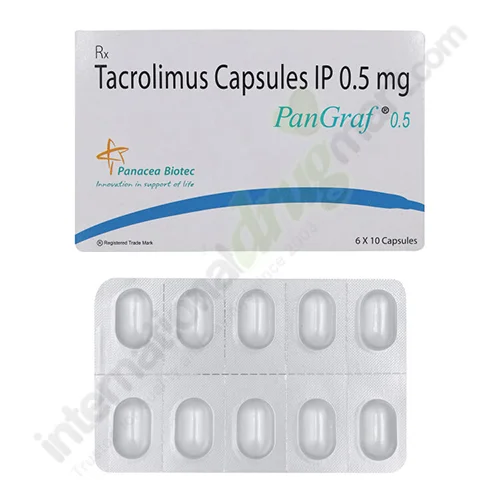
Tacrolimus ointment is generally considered safe and effective. Patients using this ointment may notice improvement in about a week’s time. In order to witness fullest benefits, you need to wait for about a period of up to ~ 12 weeks. The chief function of tacrolimus ointment is to inhibit calcineurin. This process interrupts cytokine gene expression leading to T-cell activity downregulation.
What is tacrolimus ointment used for?
Tacrolimus ointment treats eczema (i.e., atopic dermatitis). It reduces inflammation of skin and itchiness – these effects show up as the med suppresses your immune system. Tacrolimus essentially blocks the activities of a substance called calcineurin. Calcineurin is a protein activating T-cells in your system. These actions lead to a decrease in release of inflammatory substances.
The process of calcineurin inhibition involves binding of tacrolimus to an intracellular protein (FKBP-12). T-cell activation process is overactive in eczema and it is for this calcineurin is essential. As tacrolimus blocks calcineurin, it reduces T-cell activity; this in turn reduces itchiness as well as swelling.
T-cells function to produce cytokines, which signal molecules to contribute to swelling. However, tacrolimus reduces cytokine production. Tacrolimus also prevents other immune cells from causing inflammation, especially mast cells. By targeting immune cells and reducing inflammation, tacrolimus reduces eczema on your lips symptoms like itching, redness, and scaling.
Efficacy of tacrolimus ointment for atopic dermatitis
Tacrolimus ointment is a well-tolerated drug, useful for the treatment of atopic dermatitis. Moderate to severe cases of atopic dermatitis are known to respond well to this med. Tacrolimus ointment can reduce spells of reddening, itchiness, and swelling of your skin. These improvements are well quite maintained – over the long-term - as these symptoms tend to decline with continued use of this drug. Beware of a few adverse effects like itching or burning – especially at the affected site(s).
Owing to these outcomes, Tacrolimus ointment is considered an effective option to treat atopic dermatitis. This med delivers better results upon applying it on skin - including your neck and head. Tacrolimus ointment is indeed one of the safest non-corticosteroid-meds to treat skin conditions.

Precautions needed while using tacrolimus ointment
In case of children – aged between 2 years and 15 years, you need to avoid using a 0.1% tacrolimus ointment. Instead, use 0.03%; this is tolerated relatively well by kids. You need to inform your caregiver if you are currently affected or were living with any kind of cancers, especially skin-based tumors. In addition, you should also tell if you have any medical condition affecting your immune system.
You need to avoid using topical tacrolimus if you are living with any bacterial, fungal or viral infections on skin. Physicians may advise you to avoid using it on having a liver problem; in the same light, those who are allergic to macrolide antibiotics may also need to keep off this ointment. It is a wise thing to tell your doctor if your current medication plan(s) have meds like clarithromycin, erythromycin and / or azithromycin.
Caregivers may never go for this med as a first-line treatment. It is administered only when other drugs fail to heal a skin condition. It is essential to use tacrolimus ointment as per your doctor’s advice – strictly adhering to the number of times it is applied; not adhering to these dosage instructions may lead to undesired side effects.
You are informed to stay aware of increased risks of developing infectious conditions like chicken pox, varicella zoster virus infections (i.e., shingles), herpes simplex virus infections (which show up as blisters on your skin), eczema herpeticum (in short, EH), etc.
Lastly, through an off-label mode, tacrolimus ointment has exhibited remedial properties to treat medical conditions such as vitiligo, psoriasis and / or allergic contact dermatitis. In order to have more inputs on what is tacrolimus ointment used for, it is a good practice to talk to your caregiver.
Disclaimer
Information provided here are only of supplementary nature. Information shared here does not substitute a qualified doctor’s advice. This website is not suggesting intake of this drug as safe or appropriate. Hence it is advised to talk to your doctor before consuming this med or any other drug.