


Infections yeast causes are quite common. You can treat these infectious conditions with antifungal medications; such drugs are a time-tested way to stop them. These infections show-up when yeast forms onto your mucus and / or skin. An additional growth of candida yeast leads to candidiasis/yeast infection. This condition is termed candidiasis. Such an overgrowth causes imbalance(s) in natural settings of your body, causing infectious conditions. It is of use to know if you can use Clotrimazole cream for yeast infection.
What causes yeast infections?
Yeast infection can occur through many possibilities. Key among them is long-term / excessive use of antibiotics, changes in your hormonal balance, compromised immune system, poor hygiene – to name some. Other reasons include:
- Use of antibacterial meds may kill bacteria benefitting your body, and this makes way for unchecked growth of yeast
- Pregnancy: Hormonal imbalance among females who are pregnant is a likely trigger for overgrowth of yeast
- Autoimmune disorders like diabetes mellitus: Untreated diabetic conditions can spike your sugar levels up. Added sugars in blood is one of the factors encouraging yeast to multiply / spread
- If you have a weaker immunity system – caused by conditions such as tumors, HIV AIDS, or use of drugs like immunosuppressants can make susceptible to infections yeast cause
- At times, changes in your hormonal system – say, estrogen levels – can cause yeast infections. You can expect more damage to happen when you take birth control pills more than the limit. In addition, stay wary of therapies like the hormonal therapies to avoid any such risks.
A few more factors also contribute to yeast infections. These are disturbed sleeping cycles; increase in stress-level or turning depressed, etc. In addition, you need to be vigilant of not spending too much time relaxing in your wet bathing suit. This is one of the important reasons for yeast infection to grow. In this milieu,
What is clotrimazole?
Clotrimazole is an antifungal drug. This med treats several forms of fungal infections as well as yeast infections. Clotrimazole is available both as an Over-the-Counter (OTC) offering and also as a prescription med. To procure the latter, you need a valid prescription from a certified healthcare professional.
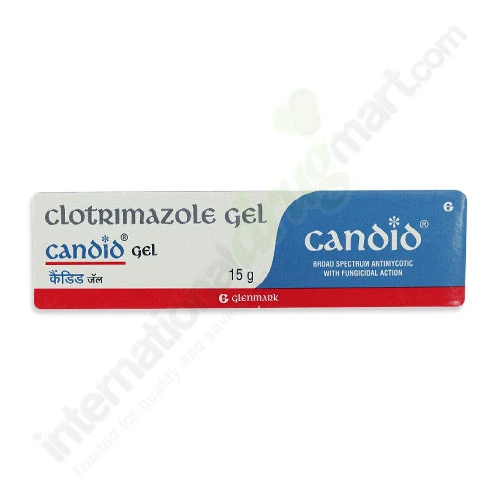
Clotrimazole works by inhibiting the synthesis of ergosterol. Like other antifungals of the azole-genre, Clotrimazole blocks 14α-demethylase; this is an enzyme converting lanosterol into ergosterol. lanosterol build-up happens when clotrimazole blocks/inhibits synthesis of ergosterol.
You can avail Clotrimazole at drug stores or web-based pharmacies. You can get this med in multiple various forms namely - as a cream, lotion, and as a solution. All these are topical drugs in use – chiefly to address fungal / yeast infections on skin.
In case of infections around your vagina, doctor prescribe the pill-form of Clotrimazole or cream endowed with properties to treat vaginal infections yeast / fungi cause. Clotrimazole disrupts fungal-membranes – at a cellular-level. This make cellular contents to spill out; the spillage includes ions, molecules, and other key cellular ingredients. This action eventually brings about death of fungal cells.
Clotrimazole also has fungicidal properties; these effects show up in higher concentrations of Clotrimazole. At such enhanced strengths, the med can almost completely halt the synthesis of ergosterol. Ergosterol synthesis destroys the fungal cells leading to a stop of yeast infections.
How to use clotrimazole cream for yeast infections?
You are advised to follow the following approaches while applying the topical version of clotrimazole cream.
Foremost of all, you need to clean the infected area and apply this cream once the cleaned area dries-away. You need to apply a fine layer of cream on affected site(s); it is also worth it to apply a film of this cream on areas adjoining the affected site.
You need to strictly adhere to all dosage instructions your caregiving team gives. It is a safe thing to follow the duration of your medication plan and not to use the cream in excess or for a longer timeframe.
Your dermatologist i.e., skin specialist) will tell you to keep away from using tampons, douches, and / or spermicides while being treated. This is a key thing as they often disrupt remedial properties of this ergosterol inhibiting med. You may also need to stay away from having sex with your partner(s).
How long can you use clotrimazole for yeast infections?
The duration depends upon severity of your infection. In most cases, your skin doctor may instruct you to use clotrimazole for 14 days; such use is necessary even when symptoms appear to have gone. Stopping the use of clotrimazole in the middle of your treatment can cause a relapse.
It is widely accepted practice to apply clotrimazole on infected area(s) twice every day. At times, you may be asked to use it thrice per day. The number of times it is applied is based on extent of infection, the site the infection has shot up, your age and your other ailments – if any.
You however need to consult with your caregiving team if you see no relief from symptoms, after using this cream for more than 5 days’ time.

Overuse of clotrimazole – what happens?
Excessive use of clotrimazole is not a safe thing to do. It can be harmful to use this med more than its prescribed level. Seek inputs from your caregiving team of its proper use and ways to apply – if you are using its topical form.
People who overuse clotrimazole may see counterproductive effects. An overuse may lead to irritation of skin, formation of rashes, reddening, a burning sensation, etc.
Excessive use may develop resistance in yeast / fungi towards key-substances used in this cream. In such cases, approach your treating physician and / or pharmacist without further delay.
You need to approach a certified caregiving team upon experiencing one or more of the following:
- Your skin condition has not improved despite use of clotrimazole
- You see severe side effects emerging , or new symptoms / discomforts start showing-up
- You are witnessing allergic reactions such as rashes, itchiness, or swelling / inflammation of skin
- You are experiencing severe counterproductive effects like irritation, formation of blisters, or an acute burning sensation