


Hydrocortisone cream – a lab-made corticosteroid – is a topical medication. It is available only with a certified prescription. It is used for treating skin burns, itching, and irritation. In addition, it also relieves you from skin inflammation issues. Hydrocortisone cream is made of natural steroid hormones found in human body that helps in efficiently addressing your skin diseases.
What is hydrocortisone cream?
Hydrocortisone cream binds to the Glucocorticoid Receptors (GR) located in the cytoplasm. This action further leads to blocking of inflammatory mediators, vital for initiating and maintaining inflammation. This promotes anti-inflammatory gene expression finally suppressing the immune system.
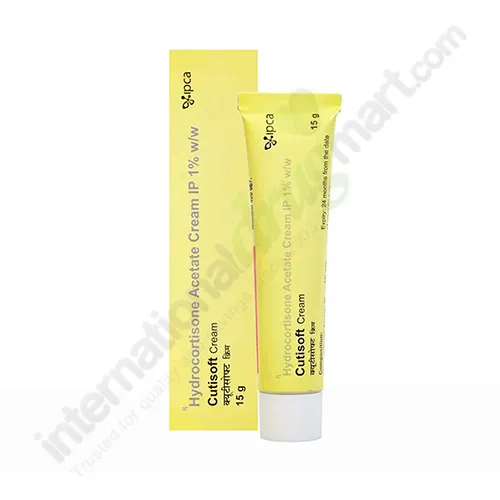
Once your immune system calms down, production of inflammatory cells decreases. This lessens inflammation and severity of allergic reactions. The combination of these actions reduces your overall skin discomforts.
Hydrocortisone cream for vulvar itching
Vulva – in Latin - means a covering; it is the external female genitalia which includes clitoris, vestibule, etc. In order to manage vulvar itching, Hydrocortisone cream is used as a temporary treatment option. You can use Hydrocortisone cream for vulvar itching, but only with your dermatologists/gynecologists consent and direction. When you use hydrocortisone cream under the guidance of your healthcare professional, you caregiving team ensures you use it for the shortest period possible.
You can apply a small amount of the cream not more than twice per day on the affected area(s). However, this cream is a temporary remedy and does not completely cure your vulvar itching nor does it treat the underlying cause.
You should be cautious that when you use these as over the counter medications, you should apply topical steroids like hydrocortisone externally only and not inside the vagina. Moreover, the pack carries the warning ‘for external use only’ for added safety.
Does Vaseline treat vulvar itching?
You can try using Vaseline i.e. refrigerated petroleum jelly - to treat vulvar itching. You can apply it on an unscented sanitary pad. This may be soothing for an itchy or irritated vulva.
A few earlier reports reveal using Vaseline to treat vulvar itching can lead to increased risk of bacterial vaginosis (vaginal health issues). In addition, you may need to stay cautious when you use anything inside your vagina as it can worsen itching, irritation or discharge.
Alternative options for vulvar itching
Some of the alternative options for vulvar itching include maintaining good hygiene. You can practice good vaginal hygiene. You can wash your vulva gently using a mild and fragrance-free soap and wipe from front to back. In addition, you can avoid using irritants like scented products or harsh soaps. Instead, you may use bland moisturisers for hydration.
Causes for Vulvar itching
Several factors contribute to vulvar itching (pruritus vulvae). This includes allergies, irritants, infections, and skin conditions.
- Yeast infections (vulvovaginal candidiasis) - is a common reason, particularly in post pubertal women. You can use topical or oral antifungal medications to treat this condition
- Bacterial vaginosis – occurs due to an imbalance of bacteria in your vagina. Other symptoms accompany this condition that include odor and discharge.
- Sexually Transmitted Infections (STIs) – like genital herpes and trichomoniasis can result in irritation and vulvar itching.


Diagnosis for vulvar skin conditions
You must inform your caregiver if you had any medical ailment in the past or currently have any health issue. This includes bowel issues and bladder complaints. You also need to tell if you have any skin problems elsewhere on your body. Moreover, it is best to inform if you are in any long-term treatment with immune suppressants, antibiotics, or oral steroids, as it can affect vulvar skin and increase the risk of infection.
Wearing abrasive clothing and engaging in abrasive activities like spinning class, bicycling, wearing tight workout clothes exposing your vulva to sweat or to soap residue or detergent, may eventually lead to vulvar itching.
In addition, it is a good practice to disclose all the symptoms bothering you. It can be soreness, discoloration, discharge, bumps, itching, burning, and any rashes on your vulva.
Your gynecologist will thoroughly examine your vulva by inserting a probe and by the use of a magnifying glass. Your gynecologist may test the pH (acid-base balance – hydrogen ion concentration) of your vaginal tract. He / she may take needful samples of secretions for a microscopic examination or culture test to check for growth of yeast. You need to know it may take multiple visits to diagnose the condition.
Suitable treatment for curing vulvar itching
Fortunately, a variety of options help treat vulvar itching. There are home remedies, Over-the-Counter (OTC) products, and prescription medications. Key is to identify the cause of the itching to choose the most effective and suitable treatment.
Self-treatment is an issue: While encountering this condition, women usually assume it to be a yeast infection and use OTC antifungal cream. However, this does not always help.
Unfortunately, many OTC antifungal creams has preservatives like propylene glycol and other harmful ingredients that may exacerbate the condition. Therefore, without the consent of your dermatologist/gynecologist you should never treat this condition. Moreover, women tend to wash their vulvar skin vigorously or repeatedly assuming that it will disinfect the area or remove the irritants. However, aggressive cleansing can even exacerbate the situation.
You can try few home remedies like baking soda baths, applying coconut oil to the affected area, consume plain yogurt, opt for an oatmeal bath before bed, and try cold compress.
Over-the-Counter treatment options include applying the hydrocortisone cream, or any anti-itch creams, or undergo antifungal treatments.
Prescription medications are another option you can try. They include corticosteroid ointments, anti-itch medications, antibiotics, or may use an estrogen cream.
If vulvar itching or discharge prolongs after trying suitable treatment options, you can approach your gynecologist. Moreover, if symptoms return or if pain, fever, or any unusual discharge develops, you can visit your gynecologist. Approaching a gynecologist is a brilliant idea even if you sense a sexually transmitted infection. How soon you visit your gynecologist determines the speed of treatment and the road to recovery.
If this medication was prescribed to you by your physician, Click here to buy hydrocortisone cream 1% online with 30% discounted price from internationaldrugmart.