


Tacrolimus belongs to a category of medications known as topical calcineurin inhibitors. Tacrolimus ointment works to treat symptoms of eczema (atopic dermatitis). This ointment also treats vitiligo - another skin condition, and also a chronic autoimmune disorder. If you are affected by this skin condition, you may witness discolored patches on your skin. This will result in white or pale spots to show up on skin. But does tacrolimus ointment lighten skin? It helps to know more.
A few studies indicate the possibility of tacrolimus ointment causing hyperpigmentation (darkening of skin), particularly when you are exposed to natural sources of light like the sun’s rays. You need to know Tacrolimus ointment may not directly influence lightening of your skin. However, such side effects may occur as you use this topical med. Yet this ointment is not considered as a skin-lightening agent.
In medical conditions like eczema and vitiligo, tacrolimus ointment can help restore pigmentation i.e. instead of lightening the tone of your skin. Darkening of your skin due to the tacrolimus is usually a temporary discomfort. These adverse effects are more common if you living with skin conditions like vitiligo or in those who naturally have a darker tone of skin.
But how effective is tacrolimus ointment for treating conditions like Vitiligo?
Onset of Vitiligo may lead to depigmentation. This condition causes white patches to show up on your skin. This change occurs because of loss of melanocytes; these are cells responsible for making of melanin. Your skin color is decided by melanin (and the pigments it makes). Scientists are unsure about the precise cause of vitiligo though; most researchers believe it is an autoimmune disease wherein your body's immune system attacks melanocytes by mistake.
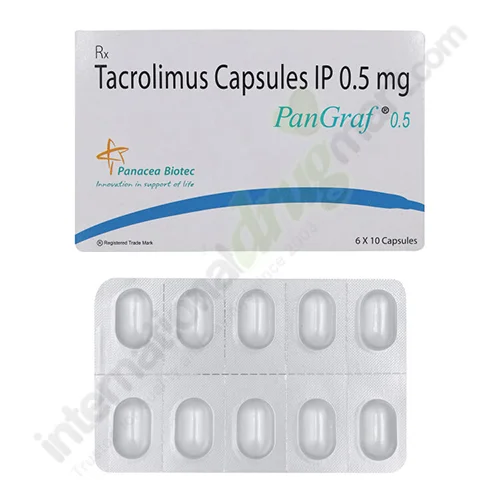
Tacrolimus is an actively used drug for the treatment of vitiligo. Tacrolimus can replace and / or restore lost pigment on patches on your skin. Tacrolimus ointment potentially stimulates melanocytes i.e. make these cells produce more melanin.
Topical tacrolimus ointment is effective in repigmenting the skin; especially in persons suffering from vitiligo. In addition, a few studies show high rates of improvement of such skin conditions. In most cases, a maintenance therapy may be required. This can help prevent any possible relapse(s) after initial changes in skin tone or re-pigmentation.
Duration of use of tacrolimus ointment
Your skin specialist i.e., dermatologist may suggest you to use this med ointment for 4 to 6 months’ time. Studies done on such uses reveal the possibilities of achieving 50% re-pigmentation in 5 – 6 months’ time. The best results are noticed on facial lesions than other sites.
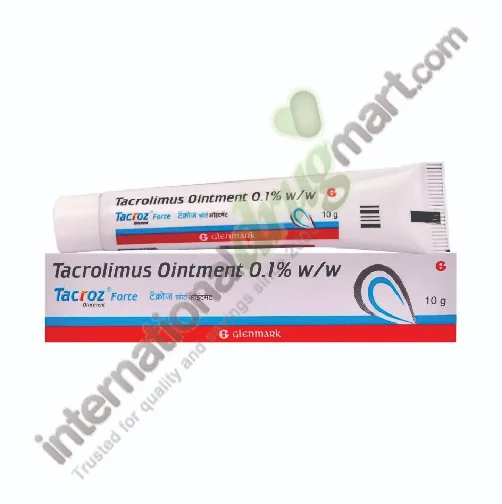
FDA has not approved tacrolimus for treating vitiligo, as the drug’s primary function is to treat eczema i.e. atopic dermatitis. Of course, for treating atopic dermatitis, FDA has approved this ointment. However, a few patients find it effective and safe for vitiligo, and dermatologists prescribe it as an off-label drug.
Safety measures needed while using tacrolimus ointment
Foremost of all, you need to apply only this med on your skin at the prescribed level. Overuse of this ointment can aggravate your skin problems. Children – mainly those aged below 15 years – are more vulnerable to such adverse effects. So, ensure to use the right quantity to avoid skin-related complications.

Tacrolimus ointment might not go well with patients suffering from any type of cancer, especially skin cancer. Moreover, it might not respond well for any medical condition affecting your immune system. People with bacterial, fungal, or viral infections need to avoid using it. Patients with liver ailments or allergic to macrolide antibiotics must stay away from using this ointment; such antibiotics include erythromycin, azithromycin, clarithromycin – to name some.
Caveat: apply tacrolimus ointment only on your skin; this med must never be ingested. It is not a good idea to apply it in your eyes, nose or oral parts. Keep this ointment away from cuts or nicks on skin.
Tacrolimus ointment and its common side effects
The ointment can make your skin more sensitive to temperatures - like heat or cold and can also make your hypersensitive to sun’s rays. It is recommended to use sunscreen cream / lotion on skin to avoid skin sensitivity problems.
Acne, headache, muscle pain, swollen or infected hair follicles, and flu-like symptoms are other potential side effects of using tacrolimus ointment. There is a concern of risks of skin infections on using tacrolimus. Your dermatologist can help manage such conditions – if they arise.
Tacrolimus ointment is available with a booklet. You are advised to read the instructions before use. Your dermatologist will also inform you of when to apply it on your skin.
Disclaimer
Information provided here are only of supplementary nature. Information shared here does not substitute a qualified doctor’s advice. This website is not suggesting intake of this drug as safe or appropriate. Hence it is advised to talk to your doctor before consuming this med or any other drug.