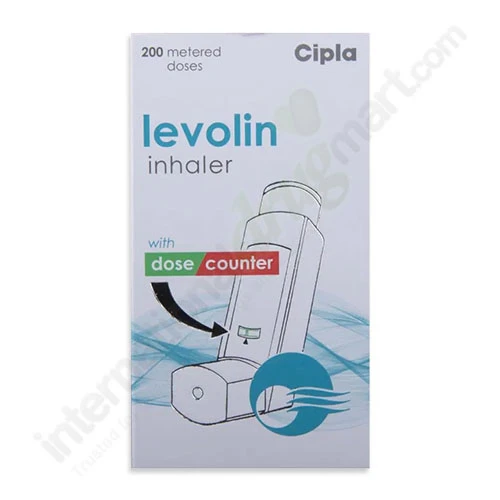
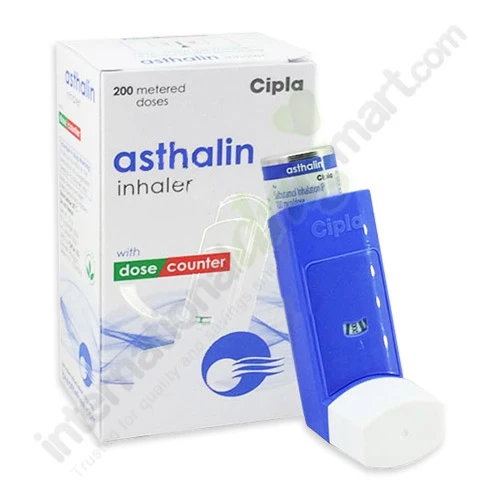
What is Albuterol 100mcg 200 Doses Aerosol Inhaler used for?
Albuterol 100mcg 200 Doses Aerosol Inhaler is used to treat and prevent breathing problems caused by asthma, COPD, and exercise-induced bronchospasm. It works by relaxing the airway muscles in the lungs, helping them open wider. This allows air to flow more easily and provides quick relief from symptoms such as wheezing, coughing, chest tightness, and shortness of breath.
How to Use Albuterol Inhaler?
Follow these steps for proper inhaler use:
-
Remove the cap and shake the inhaler well.
-
Breathe out fully to empty your lungs.
-
Place the mouthpiece between your lips and seal tightly.
-
Press the inhaler once while breathing in slowly.
-
Hold your breath for about 10 seconds.
-
Breathe out gently.
-
Wait about 30–60 seconds before a second puff if needed.
Correct inhaler technique ensures the medicine reaches the lungs effectively.
How Albuterol Inhaler Works
Albuterol belongs to a group of medicines called short-acting beta-2 agonists (SABAs). It works by stimulating beta-2 receptors in the airway muscles. When these receptors are activated, the muscles around the bronchial tubes relax. This widens the airways and improves airflow to the lungs.
Because the medication acts quickly, most people begin to feel relief within a few minutes after inhalation. The effect typically lasts 4 to 6 hours, making it useful for sudden breathing symptoms.
Albuterol Inhaler Dosage
Dosage depends on the medical condition, age, and severity of symptoms. Always follow the instructions given by a healthcare professional.
Albuterol Inhaler Dosage for Adults
Typical adult dosing includes:
-
1–2 puffs every 4 to 6 hours as needed for breathing symptoms.
-
For exercise-induced bronchospasm, 2 puffs may be taken about 15 minutes before exercise.
Do not exceed the prescribed dose without medical advice.
Albuterol Inhaler Dosage for Kids
Children’s dosage may vary based on age and doctor guidance.
-
Usually 1–2 puffs every 4 to 6 hours if needed.
-
Younger children may use a spacer device to help deliver the medicine effectively.
Parents should monitor usage and consult a doctor if symptoms persist.
Albuterol Inhaler – Pros and Cons
Pros
-
Works quickly to relieve breathing problems
-
Easy to carry and use
-
Acts directly in the lungs
-
Helpful for asthma attacks and sudden wheezing
Cons
-
Relief is temporary and not a long-term asthma controller
-
Overuse may reduce effectiveness
-
May cause side effects such as tremors or increased heart rate
Directions for Use
-
Use the inhaler exactly as prescribed.
-
Shake the inhaler before each puff.
-
If using for the first time or after several days of non-use, prime the inhaler as directed.
-
Use a spacer device if recommended.
-
Clean the mouthpiece regularly to prevent blockage.
-
Keep track of the number of doses used.
Drug Interactions
Albuterol inhalers may interact with certain medicines, including:
-
Beta-blockers used for heart conditions
-
Diuretics (water pills)
-
Other bronchodilators
-
Antidepressants such as MAO inhibitors or tricyclic antidepressants
Inform a healthcare provider about all medicines, supplements, and herbal products before using the inhaler.
Albuterol Inhaler Storage Instructions
Proper storage helps maintain medication effectiveness.
-
Store at room temperature away from direct heat and sunlight.
-
Do not freeze the inhaler.
-
Keep the cap tightly closed when not in use.
-
Avoid puncturing or burning the inhaler canister.
-
Keep the inhaler out of reach of children.
FAQ’s
What does an albuterol inhaler do?
An albuterol inhaler quickly opens the airways in the lungs. It relaxes the muscles surrounding the bronchial tubes, allowing air to flow more easily. This helps relieve symptoms such as wheezing, coughing, chest tightness, and shortness of breath. It is commonly used as a rescue medication for asthma or COPD attacks.
Is an albuterol inhaler a steroid?
No. Albuterol is not a steroid. It is a bronchodilator that relaxes airway muscles and improves airflow in the lungs. Steroid inhalers work differently by reducing inflammation in the airways over time. Albuterol provides quick relief, while steroid inhalers are usually used for long-term control of asthma.
How long does it take albuterol to work?
Albuterol typically starts working within 3 to 5 minutes after inhalation. Many people experience noticeable breathing relief shortly after use. The medicine usually continues working for about 4 to 6 hours, which helps control wheezing, coughing, and shortness of breath during that period.
Does albuterol inhaler stop coughing?
Albuterol may help reduce coughing when the cough is caused by airway tightening or asthma. By relaxing the airway muscles, the inhaler improves airflow and reduces irritation in the lungs. However, it may not stop coughing caused by infections, allergies, or other non-asthma conditions.
What happens if you do not rinse your mouth after using albuterol inhaler?
Unlike steroid inhalers, rinsing the mouth after using an albuterol inhaler is not always required. However, rinsing can help remove any remaining medicine in the mouth and reduce mild throat irritation. Skipping rinsing usually does not cause serious problems.
What happens if you drink water after using the albuterol inhaler?
Drinking water after using an albuterol inhaler is generally safe. Water may help clear any medicine residue in the mouth and soothe the throat. It does not reduce the effectiveness of the inhaled medication because the drug has already been delivered to the lungs.
How often can you use albuterol inhaler?
Most adults and children can use 1–2 puffs every 4 to 6 hours as needed for breathing symptoms. However, frequent use may indicate poorly controlled asthma. If the inhaler is needed many times a day, a doctor should evaluate the treatment plan.
Can you eat after using albuterol inhaler?
Yes. Eating after using an albuterol inhaler is safe. Food does not affect the medicine because it works directly in the lungs. Some people prefer drinking water or waiting a few minutes after inhalation to reduce any mild throat dryness before eating.