What is Gabapentin?
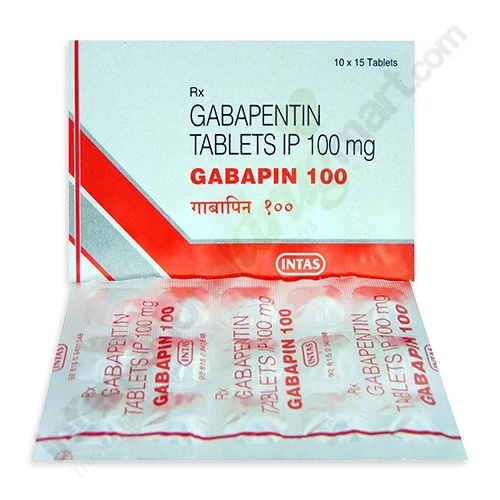
Gabapentin is an anticonvulsant used to treat seizures and nerve pain from conditions like diabetes and neuropathy. It works by calming overactive brain signals and balancing calcium levels, which helps reduce nerve pain and seizure activity. Available only by prescription, Gabapentin is part of first-line therapy for chronic nerve pain and focal seizures.
What is Gabapentin used for?
Gabapentin is prescribed for epilepsy-related seizures and nerve pain caused by postherpetic neuralgia or diabetes. It belongs to anticonvulsant medicines and stabilises brain activity. Doctors may also use it off-label to manage anxiety or other nerve-related pain. Always follow your physician’s guidance, as dosage and use vary depending on the condition treated.
How long does it take Gabapentin to work?
Gabapentin may take one to two weeks to show noticeable pain relief and up to six weeks for full benefit. Response time depends on dosage, body chemistry, and condition severity. Doctors start with low doses, increasing gradually to minimise side effects. Patience and consistent dosing are essential for optimal results and safety.
What is the recommended dosage of Gabapentin?
Gabapentin doses vary per patient and should follow your doctor’s instructions. It’s typically taken two to three times daily, with or without food. For adults, the total daily dose ranges from 900–3000 mg, adjusted based on response. Always follow the prescribed amount and schedule—never increase or reduce without consulting your healthcare provider.
What if you miss a dose of Gabapentin?
If you miss a dose, take it as soon as you remember. But if it’s nearly time for your next dose, skip the missed one and resume your usual schedule. Do not double up to compensate. Maintaining consistent timing helps stabilise the medication’s effect and prevent breakthrough seizures or worsening nerve pain.
What if you overdose on Gabapentin?
Overdosing on Gabapentin can cause dizziness, drowsiness, slurred speech, blurred vision, and fainting. Severe cases may require emergency care. If you suspect an overdose, seek medical attention immediately or contact local emergency services. Never exceed the prescribed dose. Always store the medicine safely to avoid accidental consumption, especially by children or pets.
How long does Gabapentin last?
Gabapentin’s effects typically last 6–8 hours. It reaches peak levels in about 3–4 hours and has a half-life of 5–7 hours. The drug may remain detectable in urine for up to two days. Your doctor may adjust dosage frequency to maintain consistent relief from pain or seizures based on your individual metabolism.
What other drugs could interact with Gabapentin?
Gabapentin can interact with medicines such as morphine, hydrocodone, and naproxen. Combining with alcohol, caffeine, or opioids may increase side effects like drowsiness. Always tell your doctor about all medications, supplements, or herbal products you take. Never start, stop, or adjust any drug without your healthcare provider’s supervision to avoid harmful interactions.
How much Gabapentin can I take?
Dosage depends on your condition and tolerance. Adults may take 900–3000 mg per day, divided into multiple doses. Never exceed prescribed limits. Higher doses (above 1800 mg) or abrupt discontinuation can cause withdrawal symptoms. Always follow your doctor’s plan, avoid alcohol, and report any unusual reactions or dependence-related behaviour immediately.
What are the side effects of Gabapentin?
Common side effects include dizziness, sleepiness, nausea, blurred vision, and stomach upset. Serious reactions may involve swelling of the face, difficulty breathing, or severe rashes—seek emergency help if these occur. Don’t stop Gabapentin suddenly; taper slowly under medical guidance to prevent withdrawal symptoms like anxiety, restlessness, or seizures returning.
What are the Alternatives to Gabapentin?
Alternatives include Cymbalta, Elavil, Klonopin, Lidoderm, and Lyrica. These medicines treat nerve pain or seizures through different mechanisms. Some are antidepressants or local anaesthetics with off-label uses for neuropathic pain. Your doctor will decide which option best fits your condition, tolerance, and treatment goals based on your response to Gabapentin.
How effective is Gabapentin for nerve pain?
Gabapentin relieves nerve pain in about 30–40% of patients, compared to 10–20% on placebo. Effectiveness varies depending on the cause of neuropathy and dosage used. Some people experience significant relief, while others have mild benefit or side effects. It works best when taken regularly under medical supervision for several weeks.
How long before bed should I take Gabapentin?
Take Gabapentin about 30 minutes before bedtime if prescribed as a night dose. This helps reduce sleep disruption from nerve pain. Do not double up missed doses. Skipping doses can trigger seizure relapse. Always follow your doctor’s directions, and never combine Gabapentin with alcohol or sedatives without medical approval.
How much does Gabapentin cost?
Gabapentin’s price varies by dosage and pharmacy. A 30-capsule pack of 300 mg costs roughly USD 13–15 without insurance. Online pharmacies like internationaldrugmart offer competitive pricing for uninsured buyers. Compare prices at local and online stores before purchasing, and always ensure you buy from licensed, trusted pharmacies for safety and authenticity.
Is gabapentin available over the counter?
No. gabapentin is not available over the counter. This medicine requires a valid prescription because a healthcare provider must check whether it is appropriate for your condition, current medicines, and overall health before using it.
Do I need a prescription to buy gabapentin online?
Yes. gabapentin is a prescription medication and should be used only under the guidance of a licensed healthcare provider. A valid prescription is required before purchasing. Your doctor will decide whether this medicine is suitable for your condition.
How treats Gabapentin for anxiety?
Gabapentin may be prescribed off-label for anxiety by calming brain activity and balancing neurotransmitters linked to mood. It can reduce restlessness and nervousness but isn’t FDA-approved specifically for anxiety. Effectiveness varies. Use only under a doctor’s supervision, as self-medication or combining with alcohol or sedatives may cause dangerous side effects.
What are the questions to ask your doctor before taking Gabapentin?
Ask your doctor:
-
Can Gabapentin interact with my current medications or foods?
-
What’s the safest dosage for my condition?
-
How will it affect my lifestyle, sleep, or mood?
-
How do I reduce side effects or dependency risks?
Note:
The health and medical information provided here is intended to supplement and not substitute for the expertise and judgment of your physician, pharmacists or other health care professional. It should not be understood to indicate that the use of Gabapentin is safe, appropriate or effective for you. Always consult your health care professional before using this, or any other, drug.