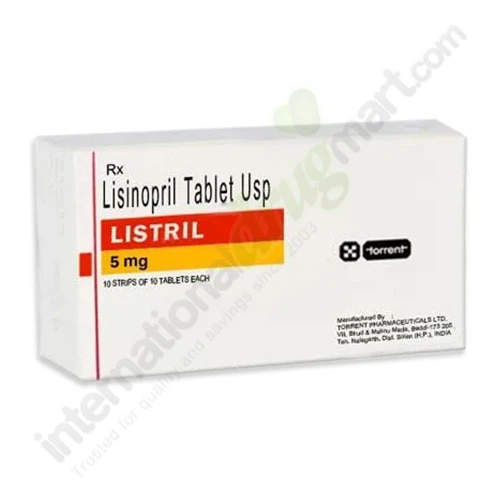
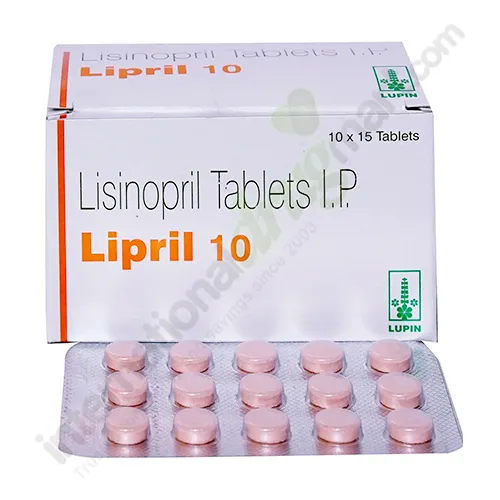
No, 5 mg of lisinopril is not too much. It’s actually a common starting dose for people with high blood pressure. The dosage can be adjusted based on how well it controls your blood pressure and if you experience any side effects.
Is caffeine bad with lisinopril?
Caffeine can raise blood pressure temporarily, so it may reduce the effectiveness of lisinopril if you consume it in large amounts. It’s generally a good idea to limit caffeine while on blood pressure medication, but moderate consumption is usually okay.
What vitamins cannot be taken with lisinopril?
There aren't specific vitamins that are dangerous with lisinopril, but you should be cautious with potassium supplements or vitamin products containing potassium. Lisinopril can increase potassium levels in the body, and too much potassium can lead to complications.
Does lisinopril cause weight gain?
Lisinopril is not commonly associated with weight gain. However, some people might notice changes in their weight due to fluid retention or other factors. If you're concerned about weight changes, it's best to discuss this with your doctor.
What are the two worst blood pressure medications?
The "worst" blood pressure medications depend on an individual’s health conditions and side effects. For some people, alpha-blockers like doxazosin or central agonists like clonidine may have more side effects compared to other medications. However, it’s essential to consult your healthcare provider to find the best option for your specific situation.
Does lisinopril make you pee more?
Lisinopril itself doesn’t act as a diuretic, so it’s not designed to make you pee more. However, in some cases, it might cause increased urination, especially if it's combined with a diuretic in a combination pill.