


There are thousands of strands of microbes – especially, bacteria. Many of them do not cause harm. Most strands do a lot of good to humans. There are however some forms of bacteria that can trigger infections. Antibiotic drugs are available to defend against such infectious conditions. These meds have needful properties to control the growth and / or destroy these harmful microbes. Azithromycin is one among such meds. But do you know why azithromycin is given for 3 days? It pays to have added inputs on this.
Antibiotics are a family of drugs administered for treating infections bacteria cause in your body. A scientist named Alexander Fleming discovered penicillin during 1920s. Soon after this discovery, antibiotic meds are widely relied-upon to treat bacteria-triggered conditions.
You may need to know that antibiotic drugs have almost nil capabilities for treating infectious conditions triggered by fungi or virus. Your doctor may offer antiviral drugs for treating virus-led infections; antifungal drugs / creams / ointments are prescribed for fungal growth. Caveat: the signs of infections viruses cause are almost the same as those bacteria trigger. Hence, you may need the guidance of a certified caregiving professional to determine the underlying cause.
So, what is Azithromycin?
Of the many forms of antibiotics, Azithromycin is a popular antibacterial drug. Doctors administer this med to treat ear-based infectious conditions – especially of inner-ears, pneumonia and other lung conditions, a few types of abdominal infections, etc. In some cases, Azithromycin has been taken with other drugs for malaria-type conditions.
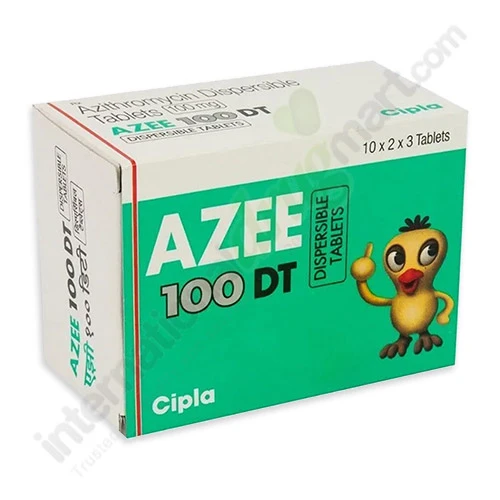
You can get Azithromycin in several forms namely – tablets and as an injection. Eye drops made of Azithromycin is also available for treating ocular conditions. It helps to know Azithromycin was introduced to public in latter half of 1980s. Today, it fares among essential drugs – as per the listing of WHO i.e., World Health Organization. Its generic status helps procure it at relatively lesser price-points as compared to its branded equivalents.
Why azithromycin is given for 3 days only?
Azithromycin is one of the antibiotics known for its longer half-life period. This drug requires almost 70 hours (to be precise – 68.5 hours) to halve itself. This period translates to more than 2.50 days (two-and-half days!) to become half of its initial concentration. The residue stays on for a longer time – and this helps fighting bacterial infections.
Azithromycin for strep throat, Azithromycin is an effective antibiotic for treating strep throat, particularly for those allergic to penicillin. It typically requires a shorter treatment course, usually 5 days, compared to other antibiotics. Azithromycin works by stopping the growth of bacteria, quickly alleviating symptoms, and minimizing the risk of spreading the infection. Always consult a healthcare provider before starting treatment.
Thus, its fairly longer half-life timespan is the reason for giving it for 3 days. Moreover, with a 3-day medication plan – as high as 97.5% of infections stand cleared out. This is a significant percentage as compared to remedial effects of other antibacterial meds. Rate of resolutions stands at about 86.7% with other drugs – despite taking them for more than a week’s time.
Above all, short-term dosage plans have their own inherent advantages; the likelihood of adhering to such short-term plan is higher than long-term medication plans!

Safety measures to stay aware of before starting to use Azithromycin
Those who have prior allergies to key chemicals of Azithromycin must inform their doctor of such hypersensitivity. Your treating physician may offer safer substitutes to treat your infection. Your liver plays a key role in processing this med; hence, if you have hepatic conditions such as hepatitis / cirrhosis of the liver, you need to refrain from using this med.
Azithromycin may cause a few adverse outcomes like decrease in appetite, diarrhea, nausea and vomiting. Upon sensing such signs, inform your caregiving team immediately. Upon sensing swelling of lymphatic nodes – at underarms or chest areas, ask for clinical help as quickly as possible.
As an added precaution, inform your physician about your other treatment / medication plans. Caveat: Azithromycin is unsafe for babies – especially infants aged below 24 months. It may also be dangerous to use onto females who are already pregnant. If you are breastfeeding, it is essential to talk of your maternal duties to your caregiving team.
Disclaimer
Information provided here are only of supplementary nature. Information shared here does not substitute a qualified doctor’s advice. This website is not suggesting intake of this drug as safe or appropriate. Hence it is advised to talk to your doctor before consuming this med or any other drug.