


Triamcinolone acetonide is one of the synthetic corticosteroids. Triamcinolone acetonide activates natural substances in your skin. This helps reduce pain, swelling, irritation, itchiness, and reddening of your skin. Triamcinolone acetonide is also available as an injection; it is injected into the joints to treat several joint-related conditions. What is triamcinolone acetonide cream used for? It helps to know more.
Physicians prescribe Triamcinolone acetonide cream for treating several skin conditions. It also relieves oral conditions such as sores inside the mouth. This cream is also known to manage bone conditions like rheumatoid arthritis and osteoarthritis. In addition, Triamcinolone acetonide cream treats a few other autoimmune conditions wherein your body’s immune system starts attacking healthy cells as well as tissues.
Triamcinolone acetonide cream essentially functions as an anti-allergic and also as anti-inflammatory drug for the treatment of skin-related conditions. It is available in different dosage forms - such as lotion, spray, ointment and a cream. The cream is thicker and hence more protective. The cream forms a barrier on your skin, and prevents water loss as well as protects skin from external irritants. These properties help enhance its absorption.
Triamcinolone acetonide cream is efficient in treating conditions viz., skin redness, itching, and swelling. In case of adults, this cream may be applied twice to thrice per day on the affected site. However, you are advised to adhere to the dosage instructions of your skin specialist.
Conditions triamcinolone acetonide treats
Triamcinolone is essentially a glucocorticoid. Physicians prescribe triamcinolone for managing diverse medical conditions. Some of them include bullous, atopic, or contact dermatitis (e.g. poison ivy). Triamcinolone acetonide is also an efficient med for medical conditions like herpetiform psoriasis, subacute cutaneous lupus, and erythematosus.
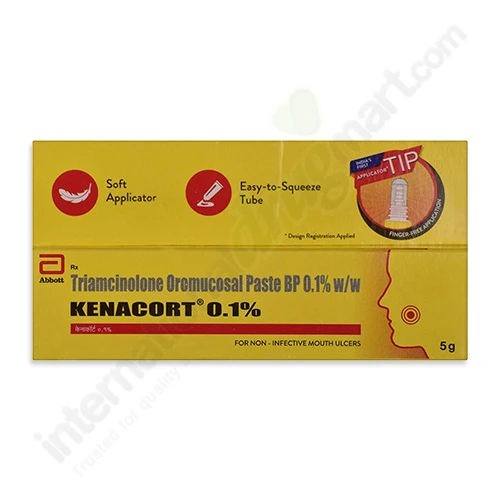
Moreover, the cream form is beneficial for managing eczema, lichen planus or sclerosis, dermatomyositis, and seasonal or allergic conditions. After applying Triamcinolone acetonide cream on skin for a period of 2 weeks (or more), and you not find any remedial outcomes, you are advised to talk to your physician.
Your treating doctor will perform a proper assessment of your skin and may recommend a more-suiting medication / treatment plan. In order to make Triamcinolone acetonide cream work to fullest efficacy, it is important to tell your physician of other illnesses you have now or in recent past.
Caveat: Long time use of Triamcinolone acetonide cream may weaken your immunity cells. With a compromised immunity level, you are likely to get infections more easily. Those who are already infected may find it hard to rid of such conditions. In such cases, use of Triamcinolone acetonide cream is discontinued, and more-efficient alternatives are pursued.
Safe use of Triamcinolone acetonide cream
Beware of stopping the use of Triamcinolone acetonide cream all of a sudden. An abrupt discontinuation can lead to withdrawal effects. In most users, a sudden stop of Triamcinolone acetonide can lead to worsening of symptoms.
On the contrary, it is a safe thing to avoid applying Triamcinolone acetonide cream for long. If in doubt, check with your treating doctor of how long to use this cream. While using Triamcinolone acetonide cream, you need to stay off flames or open fires. You also need to avoid overexposure to heat. Smoking is dangerous as risks of fire or related hazards can arise. Those who are taking it in its pill form must ensure to take it with a meal. This is because taking it on an empty stomach cause adverse outcomes.
Who should avoid Triamcinolone acetonide cream?
If you are allergic to key ingredients of Triamcinolone acetonide cream, you need to avoid using any of the topical forms of triamcinolone. Prior to using this cream, stay aware of the list of ingredients this med is made of – and check out if you have likely allergies to any / all of them. Key ingredients include Triamcinolone, Aristocort A, Triderm – to name a few.
If you are suffering from tuberculosis (TB in short) due to the risk of reactivation, you need to avoid using the cream form of Triamcinolone acetonide. Also, if you are diagnosed with autoimmune disorders like diabetes mellitus, you need to exercise added caution; this is needed as triamcinolone is known to trigger a few hyperglycemic effects i.e., excessive sugar levels in your blood.
Triamcinolone acetonide cream does not go well with patients having hypertension i.e., chronically high level of blood pressure. It is a vital thing to share details about your past medical records – especially of high blood pressure and the treatment plan(s) you are currently pursuing. Caveat: Use of Triamcinolone acetonide cream can raise your blood pressure levels and / or might make you more hypertensive.
Among some patients – use of triamcinolone cream – may cause cardiovascular conditions such as atherosclerosis, arrhythmia, retention of bodily fluids, etc. These conditions are mor likely on user higher dosage strengths of Triamcinolone or using the cream more frequently (than what is prescribed).
You are advised to talk to your pharmacist / treating physician of all the key ingredients present in Triamcinolone acetonide cream. They are sure to guide you about how to use and stay away from triggering allergic spells or hypersensitivity.

Side effects Triamcinolone acetonide cream may cause
Triamcinolone acetonide cream can trigger a few adverse effects. Cushing Syndrome is a medical condition arising out of a prolonged use of Triamcinolone acetonide cream. In addition, the cream may lead to an enhanced presence of blood sugars in your blood. Those who are diabetic need to stay aware of such risks and consult with their primary caregiver to counter spikes in sugar levels.
In some users, Triamcinolone acetonide cream has caused a burning sensation on skin, frequent spells of itchiness, unwanted growth of hair, skin irritation, a stinging sensation, change of color of skin – especially on affected areas, or drying of skin. There are also instances wherein tinier red-bumps have shown up around oral areas like mouth – often accompanied by rashes on skin. Acne is another possible side effect.
Owing to the need of such precautions, you can get Triamcinolone acetonide cream only with a valid prescription of a qualified caregiving team. This cream is unlikely available through Over-the-Counter (OTC) route.
Disclaimer
Information provided here are only of supplementary nature. Information shared here does not substitute a qualified doctor’s advice. This website is not suggesting intake of this drug as safe or appropriate. Hence it is advised to talk to your doctor before consuming this med or any other drug.