


Convulsions are outcomes of erratic firing of nerve-cells. These may make your body to shake violently, all of a sudden. Most of them occur due to disturbed electrical pulses in your cerebral system. A few types of seizures may cause convulsions and / or spasms. Such seizures are of epileptic genre. There are also non-epileptic forms of seizures; these occur when you are down with an acute increase in body temperature. Gabapentin is an anticonvulsant med. It pays to have insights into max dose of gabapentin.
Most forms of convulsions last for a few minutes max. You entire body may get affected; at times, a specific site takes the impact. Also, not all forms of seizures lead to convulsions or muscular spasms. There are conditions called absence-seizures; here, your body may remain unresponsive and without any physical movement(s).
People living with epilepsy – a neuro condition – may witness convulsions when their neurons misfire. A common form of epilepsy is tonic-clonic form. Tonic refers to stiffened muscles while ‘clonic’ signifies jerks. These two words define the very essence of convulsions triggered off seizures. You may start groaning much these spasms occur; this is mainly because air gets into your throat. As your voice box gets sudden inflow of air, groan-like sounds emerge off it.
What are anticonvulsants?
Anticonvulsants are antiepileptic drugs (AEDs). They belong to the class of medications treating or preventing conditions like seizures, convulsions, spasms of muscles, etc. Such meds control abnormal electrical activities in your brain. Anticonvulsants treat epilepsy; however, they can also treat other health complications like neuropathic pain, and a few mental conditions. In some remote cases, physicians prescribe anticonvulsants as an "off-label" med for resolving spells of anxiety, sleep problems, and weight loss.
What is gabapentin?
Gabapentin is a generic drug - a gamma-aminobutyric acid (GABA) analogue which is FDA approved to treat various medical conditions. This med reduces excitability of your nerve cells i.e., neurons in the brain. These nerve cells play a key role in transmitting pain signals. Gabapentin calms down your excited neurons.
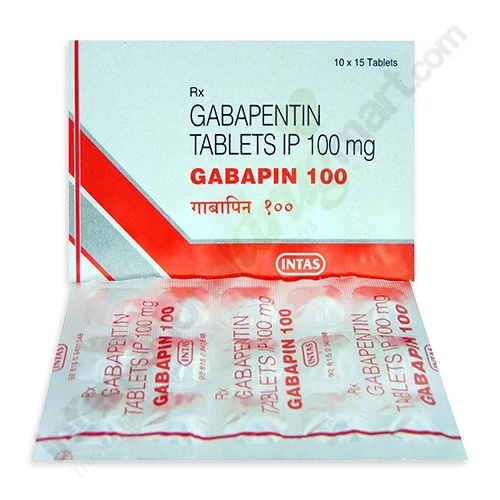
Gabapentin helps treat conditions associated with muscles – such as weakness. It is considered for relaxing your muscles and is largely used as an antispasmodic. You can get gabapentin in the capsule form, a tablet, and it is available as an extended-release (long-acting) tablet. You even can get the oral solution (liquid).
Caregivers prescribe Gabapentin to prevent and control partial seizures. It also helps relieve postherpetic neuralgia – a medical condition caused after shingles, and Gabapentin is highly beneficial and effective in treating moderate-to-severe restless legs syndrome.
Caregivers prescribe Gabapentin for both adults and children in the age group 3 years and older who suffer from partial seizures. Gabapentin is a recommendation to treat nerve pain following shingles in adults. Caregivers sometimes prescribe gabapentin as an "off-label" medication to treat other medical conditions as well.

Max dose of Gabapentin
The dosage of this drug gabapentin is not the same for all patients / individuals who use it. It depends on the medical condition for which you are taking this drug. Mostly, dosages differ based on the health complications and the individual who takes it, especially adults. However, as per clinical trial and several research studies, the maximum dosage you can use per day is 3,600 mg.
It is a common practice that the dosage strength is typically divided into 3 doses per day at regular intervals. A simple fact is that taking higher doses have not proven to be any better or effective than the lower doses.
To treat Epilepsy with partial onset seizures – you can take 300 mg gabapentin orally three times a day, with or without food to treat seizures. If you happen to take higher doses, they are more likely to cause certain side effects.
To treat focal onset seizures in children ages 3 to 11 years old – caregivers typically start with a dose of 10 mg / kg to 15 mg / kg of body weight per day. The doses are given 3 times daily having a reasonable time gap of 8 hours. However, during the process, your caregiver might increase their dose to:
- 40 mg / kg of body weight per day (for children aged 3 to 4 years), and
- 25 mg / kg to 35 mg / kg of body weight per day (for children aged 5 to 11 years)
One thing to remember is that you should never overdose on gabapentin. This could result in side effects like a double vision, drowsiness, and tremor. Along with this, other side effects one may experience also include dizziness, diarrhea, tiredness, etc.
In more serious cases, you could face breathing discomfort as a result of an overdose. This can happen when you take too much gabapentin alone, or in combination with other sedative medications. Some of them include benzodiazepines and opioids, even if they are taken at regular doses. Moreover, you should never take gabapentin with alcohol. This can even increase the risk of breathing problems and a possible overdose.
To get maximum benefits of Gabapentin
You need to utilize its maximum benefits. To do that, first you need to identify the suitable signs for gabapentin therapy. This will include medical conditions like neuropathic pain, restless legs syndrome, partial onset seizures, and other relevant psychiatric and neurological conditions.
Secondly, you should undergo a proper screening test to identify the risk factors and contraindications before initiating gabapentin therapy. This will include conducting screening for complaints such as renal impairment, concurrent medication interactions, or history of substance misuse.
Your caregiver will collaborate with inter-professional healthcare team members to optimize gabapentin therapy. He/she will also address emerging clinical concerns or treatment adjustments and coordinate comprehensive patient care.
Caregivers also prescribe gabapentin as an off-label med to treat few medical conditions like anxiety disorders, fibromyalgia, resistant depressants, bipolar and mood disorders (also, a few other mental conditions), alcohol withdrawal, postoperative analgesia, irritable bowel syndrome, interstitial cystitis, etc. In order to know more on max dose of gabapentin, you can consult with a qualified caregiver.