


Lice – a tiny parasitic insect that cannot jump or fly; instead, they rely on crawling to move between hosts. Lice infestations occur frequently, among children and in places like schools or daycare centers. Over the years, many treatments have been used to eliminate lice. While there are various treatments available, one of the increasingly popular and highly effective option is ivermectin.
It is developed to treat parasitic diseases. Ivermectin has gained recognition for its usefulness in managing lice infestations. Before diving into treatment, it is important to understand what lice are?
Lice are minuscule, that subsist on human blood. The head louse (known scientifically as Pediculus humanus capitis) is the species most frequently identified species affecting humans. Lice—medically referred to as pediculosis—is not caused by poor hygiene. It can affect anyone, no matter how clean they are or where they come from.
Lice spread easily through direct head-to-head contact or by sharing personal items like hats, combs, or pillows. A single female louse can lay multiple eggs, called nits, which attach to hair shafts. These nits hatch into more lice within a week, making the infestation grow quickly if left untreated.
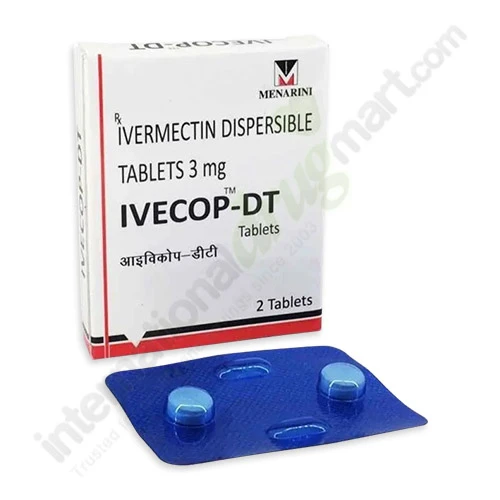
Ivermectin for lice
Ivermectin is available in two primary forms for treating lice: a topical lotion applied to the scalp and oral tablets taken by mouth. Each type serves a different purpose depending on how severe the lice infestation is, the age of the patient, and other medical considerations.
The first option is topical ivermectin, commonly available as a 0.5% lotion. It is applied directly to dry hair and scalp, where it works to kill lice with just one application in most cases.
One of the major advantages of topical ivermectin is that, it does not require nit combing, which makes it a more convenient choice for parents and caregivers. It is also approved for use in children as young as six months, making it a safe option for infants and toddlers under medical supervision.
The second option is oral ivermectin, which is taken in tablet form based on the individual's body weight, typically at a dose of 200 micrograms per kilogram.
Ivermectin is usually prescribed as two doses, spaced 7 to 10 days apart, to ensure that both live lice and any newly hatched nymphs are eliminated. Oral ivermectin is mainly useful when topical treatments have failed or when lice have shown resistance to other medications.
However, this form is generally not approved for children who weigh less than 15 kilograms (about 33 pounds), pregnant women, or individuals with liver problems. The administration should be carried out under the oversight of a qualified healthcare provider.
How ivermectin works against lice?
Ivermectin is a drug that kills parasites. It has been used for decades to treat conditions caused by worms and mites.
This med works by targeting the nerve and muscle cells in lice, where it attaches to special channels that control nerve signals. Ivermectin has the ability to act on both adult lice and developing nymphs, making it more effective than treatments that only kill mature insects.
However, it may not eliminate unhatched eggs (nits), which is why a follow-up dose is mostly recommended when using the oral form to ensure complete removal of the infestation.
Effectiveness of ivermectin in lice treatment
Ivermectin has demonstrated strong effectiveness in both clinical research and practical use for treating lice.
It often performs better than conventional lice treatments, particularly in regions where lice have developed resistance to standard drugs like permethrin and pyrethrin.
A single application of topical ivermectin can eliminate lice in about 70% to 80% of cases. In contrast, two well-timed doses of oral ivermectin can boost the success rate to over 90%.
One major advantage of both forms is that they do not require the manual removal of nits, which simplifies the treatment process. This feature is particularly helpful for children or individuals with thick, curly, or long hair, where combing out nits can be challenging and time-consuming.
Tips to prevent reinfestation
After lice treatment, it is necessary to take steps that prevent reinfestation.
- Start by washing all recently used clothing, bed sheets, pillowcases, and towels in hot water. Dry the items using a high-temperature setting to ensure the destruction of any remaining lice or eggs.
- Hair care tools including combs, brushes, and clips must be disinfected by soaking them in hot water for at least 10 minutes.
- Individuals should refrain from sharing personal items like hats, scarves, helmets, and headphones, particularly during and shortly after treatment.
- Close contact—such as family members or classmates—should be checked for lice and treated if needed.
Maintaining these hygiene practices helps to lower the recurrence of infestation, and reduces the need for repeated treatment.
Emerging advances in ivermectin-based lice management

The role of ivermectin in treating lice is expected to grow as new research continues to emerge.
Scientists are now studying how ivermectin might work even better when combined with other treatment agents. These combinations could increase its effectiveness or reduce the chances of lice surviving the treatment.
Researchers are also working on developing new formulations of ivermectin—such as longer-lasting topical products or improved oral versions—that may offer more convenience or better results.
Ivermectin is an antiparasitic medicine used to treat scabies and lice infestations. It works by paralyzing and killing the parasites causing the infection. Usually taken orally, it’s prescribed for people who don’t respond to topical treatments. A second dose may be given after a week to ensure complete elimination of mites or lice and prevent reinfestation.
By closely monitoring resistance patterns, experts can adjust treatment strategies to stay ahead of these changes. In addition, improvements in diagnostic tools—like faster detection techniques and high-resolution digital imaging—may help healthcare professionals to find lice more quickly and accurately.
These tools can lead to earlier treatment, reducing the spread and severity of infestations. Ivermectin is expected to remain a key part of managing lice effectively in both children and adults.
From a practical standpoint, ivermectin targets resistant lice, ease of use, and high success rates make a preferred choice for many families and healthcare professionals. Whether used topically or orally, it offers a convenient alternative to traditional therapies that often require multiple applications and extensive combing.
While it may not be suitable for everyone, especially young infants or pregnant women, it remains a valuable option in the fight against lice. When combined with proper hygiene and preventive measures, ivermectin can help end lice problems quickly and with minimal stress.
As resistance to older treatments continues to rise, ivermectin stands out as a trusted and efficient option for managing this common condition.
Where to Buy Ivermectin for lice?
If this medication was prescribed to you by your physician, Click here to buy Ivermectin for lice online with 30% discounted price from internationaldrugmart.