


Semaglutide is an anti-diabetic medication. It is similar to the hormone glucagon-like peptide-1. Caregivers administer semaglutide by vaccination or as an oral drug. This med lowers your blood sugar levels. As an added use, caregivers prescribe it to people who aim to reduce their weight and thus manage obesity. But how long does it take for semaglutide to suppress appetite? It pays to have more inputs.
Semaglutide releases a specific type of hormone which decreases your appetite level and controls your cravings. You are likely to experience a marked change in your eating patterns after taking this med. The chief ingredients make you feel full and stops you from eating too much. These actions indirectly help you maintain weight or lose extra flab.
How long does it take for semaglutide to suppress appetite?
If you take semaglutide for weight loss, you might feel a decrease in your appetite. This is indeed one of the first signs you experience to know this drug has started functioning. Appetite-suppressing effects may however not be an immediate manifest i.e. semaglutide takes its own time to show its fullest level of efficacy.
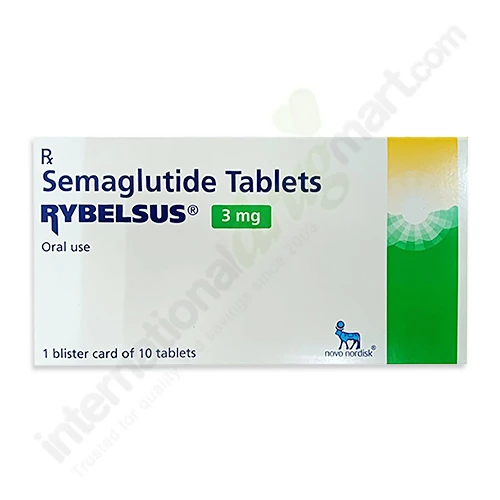
Physicians tend to administer a relatively low dose to start with, and gradually increase its strength. Your body may need a few weeks’ time to get used to the drug; once your system is familiar with this med, there is lesser risk of adverse side effects. Till this med reaches a sizable level of concentration in blood, favorable results may remain elusive. This gestation period may last for a few weeks from the time of starting this drug.
In some rare cases – a handful of users reported a drop in appetite within 15 days of using this med. This is more an exception; the gradual suppression of appetite makes sure you can adjust to this drug and changes to your lifestyle, i.e., without experiencing severe side effects.
Timeframe of semaglutide’s working mechanism
-
You may notice the drug’s effects on your appetite within first three weeks of starting the doses. This is one sure way to know this drug is beginning to function. Once this period lapses, you feel less hungry, or feel your stomach turns full even before it actually gets filled with foods.
-
During fourth and fifth week, concentration of semaglutide reaches a steady level in blood. In this period, you experience a further reduction in your appetite levels.
-
Between seventh and twelfth week, you will witness a remarkable drop in your appetite. You may also have better control over your eating habits. Your choice on foods is likely to change and extent of cravings also reduce sizably. In fact, heavier meals may not appeal to you anymore. It is also likely a mild difference in body weight is palpable.
-
In over four months’ time, your caregiver may have prescribed the maximum dosage possible of semaglutide; also, your system may accept it without much ‘protests’ (read: side effects).
But, for semaglutide to suppress appetite level successfully, you are advised to take each dose as per the instructions of your treating doctor physician. You also need to adhere to dosage strength under the guidance of the caregiving team. As a matter of fact – till you reach a maintenance dose-level, your doctor will continue boosting strengths i.e., once in 4 weeks.
Semaglutide for weight loss in non-diabetics, Semaglutide is approved for weight loss in people without diabetes. It works by reducing appetite and helping you feel full longer. Doctors may prescribe it for adults with obesity or overweight individuals with weight-related health issues. Along with diet and exercise, it can help achieve significant weight loss. Always consult your doctor before starting semaglutide.
You are advised to use semaglutide along with a few changes to your daily habits. For instance, you may need to adhere to a proper meal plan and daily workouts. Those who strictly follow caregiver’s instructions see a big difference and in a relatively shorter timeframe.

Side effects of Semaglutide
Remedial effects of semaglutide are quite potent. There are cases wherein users report of an intensive physical strain during the dosage plan. Good news is – such strains are of a temporary kind. Also, not all users go through such spells.
If you are non-diabetic, intake of semaglutide can cause a few temporary side effects. These are migraine, turning nauseated, discharge of loose stools, etc. If such side effects persist for long, you need to consult with your caregiving team. Your physician may alter the strength of dosages or may even prescribe a safer substitute.
Research done on semaglutide reveal this med may cause thyroid or pancreatic cancers; but such risks are encountered in extremely rare cases. Clinical trials done on this front have not yet evidenced a direct link between onset of thyroid cancers with this med. Advanced level of research is underway on this.
You may still experience a few side effects on taking semaglutide. These side effects largely depend on type of symptoms and presence of other ailments – if any. Based on your overall wellbeing, side effects may either last a few days or mast persist for months. The good thing however is most of them are not of a permanent kind.
Side effects are bucketed into:
-
Those occurring commonly, and may leave on their own within a relatively shorter span of time – of a say, 2 – 3 weeks
-
Adverse effects staying for a prolonged period i.e. all through the timeline of treatment plan
-
There are however a few adverse effects which stay-on for more than a month’s time. These show up for long as your body finds it difficult to flush the traces of this med out soon. Such effects are known to stop as you discontinue your dosage plan
Owing to these, caregiving teams start doses of semaglutide at a lower strength; doses are gradually enhanced to reach an optimal level. These practices are known to minimise side effects to a substantial level.
US-based drug clearing body – the FDA - recommends you to buy semaglutide with a valid prescription from a certified caregiving team. This means a qualified physician or a licensed medical practitioner only can prescribe this med. Above all, you need to consult with your physician prior to taking doses of semaglutide. Your physician can prescribe the dosage strength suiting you after a thorough evaluation.
Disclaimer
Information provided here are only of supplementary nature. Information shared here does not substitute a qualified doctor’s advice. This website is not suggesting intake of this drug as safe or appropriate. Hence it is advised to talk to your doctor before consuming this med or any other drug.