


Diabetes mellitus is a common endocrine-based condition. This shows up when your body (read: pancreas) is not making needful amount of insulin; it may also be due to your system stopping to respond to insulin. Symptoms of this condition include excessive discharge of urine, being thirsty as well as loss of body weight. You may also witness other symptoms like blurring of eyesight, being tired, etc. Can you use drugs like metformin for diabetes? It is helpful to know about this.
Loss of cells that make insulin can lead to a condition called type 1 diabetes. If untreated, this may soon result in an acute insufficiency of insulin. Low levels of insulin can further trigger an erratic blood sugar level.
Type 2 version of diabetes involved resistance to insulin; this is more common than its type 1 counterpart. Type 2 diabetes is caused by genetic as well as daily habits. People with a body mass index (BMI) of 29, owing to intake of unbalanced diet and not exercising regularly are likely to get it.
In this light, what is metformin?
This is an anti-diabetic medication, used for managing increase in sugar levels in blood. Key ingredients decrease absorption of glucose, and reduce glucose-production in liver. Through such processes, Metformin enhances your insulin-responsiveness. This med is usually prescribed with a workout plan and an altered diet plan.
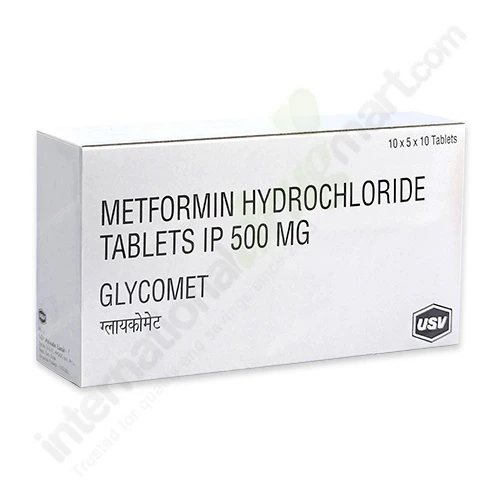
Timely treatment can prevent severe conditions like renal failure, amputation, full or partial blindness, nerve-related problems, etc. This med is however not used among younger patients like children; in some cases, it is not prescribed to patients aged less than 18 years.
When to start metformin for diabetes?
Metformin is widely used for treating type 2 form of diabetes. It is prescribed especially for patients who are obese and have problems in reducing sugar levels by changing their daily habits. As an extended use, metformin is also used to avoid onset of diabetes among those who are prediabetic. It is offered if you are recently diagnosed of this endocrinal condition.
Starting your medication plan – involving metformin – at the earlier stage can aid in better regulation of sugars. At an early-stage, metformin helps boost sensitivity of your system to insulin.
However, metformin is not prescribed if it is type 1 form of diabetes, you are anemic and also have renal dysfunction. Those who drink alcohol regularly or those who recently witnessed a heart failure / cardiac arrest are not advised to take this antidiabetic med.
Can You Drink Alcohol While Taking Metformin? Consuming alcohol while taking metformin can increase the risk of lactic acidosis, a condition where lactic acid builds up in the blood too quickly for the body to convert it to energy, especially when oxygen levels are low. This dangerous combination can also lead to hypoglycemia, or low blood sugar. Therefore, individuals who drink alcohol should exercise caution when on metformin.
Metformin dosage for prediabetes
Dosage for adults – for type 2 diabetes – is 500 milligrams (mg) taken orally, two times each day. In some cases, a single dose of 800 mg is offered within 24-hour timeline. If your system is tolerating metformin well, doses are increased in increments of 500 mg once per 8 days.
As an alternative, dosages are boosted by 800 mg once every 15 days’ time. On a maintenance mode, daily dose of 2000 mg is offered each day.
Maximum dosage must never exceed 2500 mg within a day. In case of an extended release, metformin maximum dosage is capped at 2000 mg each day. The medication plan may last for 9 to 11 months’ time. During this period, your caregiving team monitors HbA1c i.e., glucose in plasma (fasting) in intervals of 12 weeks. If sugar levels are not under control, your caregiving team may offer an alternative treatment plan.

Renal function tests (RFT) or kidney function testing is done prior to start of the dosage plan. These tests are ordered at least once every 6 months to understand how the drug is performing. In case of elderly people, kidney function tests are done once every 4 months.
Metformin is not an over the counter (OTC) med; it must be taken as per the instructions of your doctor. You are advised to talk to your caregiver if you need more inputs on metformin for diabetes.
What Does Metformin Do for Diabetes?
If you have type 2 diabetes, chances are metformin has shown up in almost every conversation about your care. So what, exactly, does it do? The answer is pretty straightforward. Metformin nudges your blood sugar down by two main routes. First, it tells your liver to quit releasing extra sugar, the surplus that only makes things harder. Second, it makes your body more responsive to insulin, which matters because lots of people with type 2 struggle to use insulin the way they should. Think of the medicine as a light push instead of a heavy shove. There’s another big perk: metformin rarely drops your blood sugar too low, a problem many other diabetes drugs cause. That safety net gives many people extra confidence in sticking with the plan.
Metformin for Prediabetes
Now, what if your numbers are high but not yet in diabetic territory? Doctors can still reach for metformin when lifestyle changes stall, especially if you carry extra weight or have a family tree full of diabetes.
The whole point of this approach is to catch diabetes before it settles in for good. Metformin helps your body respond to insulin and slows how fast sugar from food enters the bloodstream. It isnt magic, and you still need to eat well and move around, but it can give those numbers a little extra nudge. Its also worth noting that a few folks taking metformin for prediabetes notice they lose a pound or two over time. That outcome isnt promised, yet it has happened to enough people that doctors keep bringing it up.
Metformin Dosage for Diabetes
Doctors always start metformin at the bottom, so the stomach has time to adjust. The usual beginner dose is 500 mg, taken once a day. Thats low on purpose, because belly cramps, gas, and urgent bathroom trips are all possible early side effects. After a week or two, when your body settles, the doctor slowly raises the dose. Many patients land somewhere between 1500 and 2000 mg a day, divided into two or three smaller doses. There's also an extended-release option that a lot of people find gentler on the gut. The goal, no matter which form you use, is to lower blood sugar without disrupting your daily routine.
Metformin for Gestational Diabetes
Metformin isn’t limited to treating type 2 diabetes or prediabetes; it’s sometimes brought in during pregnancy to help with gestational diabetes. When changes to what you eat and how you move haven’t done enough and starting insulin feels overwhelming, some doctors suggest giving metformin a shot. It lowers blood sugar by reducing how much sugar the liver pours out and by helping cells use the insulin that’s already around. Because the drug can cross the placenta, though, doctors dont hand it out freely; they talk through the possible upsides and downsides with you. Some women stay on metformin right up to delivery, while others gradually move to insulin later on; what happens in your case comes down to how your body reacts and how steady your numbers stay.
Disclaimer
Information provided here are only of supplementary nature. Information shared here does not substitute a qualified doctor’s advice. This website is not suggesting intake of this drug as safe or appropriate. Hence it is advised to talk to your doctor before consuming this med or any other drug.