


Neuropathy is a condition damaged-nerves are known to trigger. You may experience a throbbing sensation of pain and can turn you hypersensitive to external stimuli like touches. In extreme cases, you may lose your sense of coordination and witness weakness. You may feel you are wearing socks and gloves, while you are not wearing any. Damaged nerves – if untreated - can also lead to impaired motor skills. In this light, can you use gabapentin for neuropathy? It benefits to know more on this.
Anticonvulsants are drugs administered for treating fits and seizures. These meds are made of key chemicals to inhibit abnormal firing of nerve cells. In this process, they manage jerky movements and fits.
Root cause of neuropathy is the loss of messages receive by your nerves. Such losses can distort the signals from your cerebral system. Discomforts show up in the form of sensation of pins-and-needles, numbing of your body parts, a marked drop in your ability to sense ambient temperature(s) or changes in climatic conditions.
You are advised to consult with a qualified caregiver and initiate needful treatment. Caveat: No two people may have same types of nerve problems. In fact, clinical studies reveal ~ 100 (perhaps even more) unique kinds of neuropathic disorders!
What is gabapentin?
Gabapentin is one of the commonly taken anticonvulsant meds. It forms part of medication plans for treating fits (especially, focal-type seizures), nerve pains as well as restless-legs. Essential substances in gabapentin work to alter bio-availability of transmitting chemicals. A few examples of such transmitters are serotonin, norepinephrine, dopamine, etc.
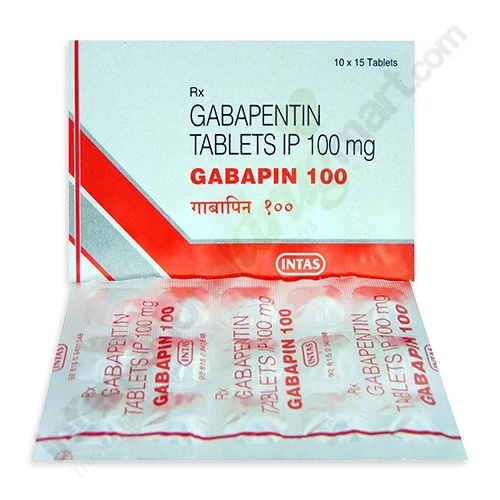
Gabapentin is one of the few meds having clearance from US-based drug control authority – the Food and Drug Administration (in short, FDA). Gabapentin obtained FDA-approval in the early 1990s. It fares as a top-choice today for relieving nerve pains especially – postherpetic nerve problems.
As an extended use, gabapentin is used for treating pains caused by autoimmune conditions like diabetes, fibromyalgia and other a few other nerve-related disorders. You can buy this drug only with a valid prescription from a qualified caregiver. Dosages are available in multiple forms viz., a suspended liquid, pills and capsules. You can avail it either as extended-release or as an immediate-release form.
Gabapentin for neuropathy
Standard dosage plan for neuropathy involves taking gabapentin as 3 distinct doses of 30 milligrams (mg) per day. Dosages are started at a lower strength of say, 300 mg – as a single dose each day. This medication plan is then gradually increased to 2 doses of 300 mg within 24 hours.
Your caregiver will always ensure doses taken per day never cross the 1,800 mg-mark. If you have renal problems, it is a vital thing to tell your doctor of such conditions. In such cases, a markedly low dose of gabapentin is prescribed; also, each dose is spaced-out with longer time-intervals in between two dosages.
Gabapentin for anxiety is sometimes used off-label to help manage anxiety, especially in people who don’t respond well to traditional treatments. It works by calming nerve activity in the brain. Doctors may prescribe it for generalized anxiety or social anxiety, though it’s not FDA-approved for this use. Always consult a healthcare provider before starting gabapentin for anxiety.
As gabapentin is not an over the counter (OTC) med, always ensure to adhere to dosage instructions of your caregiving team and / or pharmacist. Taking an overdose does not treat neuropathy in lesser timeframe; instead, a larger dose of gabapentin can bring-about a few counterproductive effects.
Edema or build-up of fluids, dizziness and weakness are common side effects gabapentin is likely to cause. It is unsafe to work with heavy machines or to pursue activities like driving, etc. A few severe side effects may also show up in some users of gabapentin; you may nurse self-harming thoughts, develop respiratory troubles such as wheezing, etc. In all such cases, call 911 in the US or to Health Canada if you reside in a Canadian province.

People who consumed added doses of gabapentin i.e., more than what their doctors prescribed – met with severe spells of drowsiness. You may also lose coordination of muscles and may witness accidental falls. In such emergencies, rush to a local healthcare setting – a clinic or a hospital – without any further delay.
How does gabapentin work for nerve pain?
Nerve pain may be said to occur when signals misfire down from the nerves. When a wrong message is sent, the brain reads it as pain: interpretation. Gabapentin intervenes here. It essentially changes how nerve cells pass along chemicals, reducing "over firing" and calming those mixed signals.
When your nerves calm down, pain slowly diminishes. That is why many a doctor will prescribe gabapentin in nerve pain due to shingles, diabetes, or injuries. It may not be an instant relief. Sometimes what it takes is days or weeks for the bags to unfold. Patience is a must.
Gabapentin for anxiety
Apart from pain, gabapentin is also used off-label to treat anxiety. For those who feel restless and shaky or suffer on occasion, it may provide relief. The drug works by quieting the storm of nerve signals within the brain, allowing one to feel somewhat balanced. But this use is not FDA-approved. Nevertheless, the drug is still prescribed by some doctors as a last resort.
The dose for anxiety is usually smaller than for nerve pain. One can expect mild side effects such as drowsiness or dizziness. Always check with a doctor before starting. Do not adjust the dose yourself.
Some points to consider
One must realize that gabapentin will not heal nerve damage; it will relieve pain.
It may also relax symptoms of anxiety for some.
Start with the smallest dose and only increase as directed by a healthcare professional.
One should be cautious of side effects: dizziness, swelling, or mood changes.
Disclaimer
Information provided here are only of supplementary nature. Information shared here does not substitute a qualified doctor’s advice. This website is not suggesting intake of this drug as safe or appropriate. Hence it is advised to talk to your doctor before consuming this med or any other drug.