


Cephalexin (cefalexin) is an antibiotic treating bacterial infections. Like other antibiotics, cephalexin kills bacterial cell walls. Chief ingredients rupture microbial cell walls, prevents growth / multiplication and ultimately kills bacteria. However, symptoms of cold, flu, or other viral infections do not respond to this medication. Can you take cephalexin for tooth infection? It is of use to know more.
Infections arise when disease-triggering microbes invade your tissues. Unchecked spread of such harmful pathogens leads to communicable or transmissible conditions. Virus and bacteria are the most common forms of pathogens. Treatment plans are based on type of microbe, extent to which infection(s) has spread, the site infected, your age and other medical conditions – if any.
So what is a tooth infection?
A tooth infection is triggered when pus forms near a tooth. This is also known as tooth abscess. Dental surgeons drain pus-pockets and rid of tooth infections. A root canal treatment as a renowned surgical procedure can be a great remedy for your infected tooth.
Caution: Not treating pus formation can lead to near-fatal / fatal outcomes. Therefore, once you feel the sensation of a pain or tooth-related ache, you should not stay idle, but you need to consult your dentist without wait for an immediate solution. Untreated infections of tooth can lead to loss of the affected tooth / teeth, infectious conditions spreading to your bloodstream, lung conditions such as pneumonia, infections of your cerebral system, etc. In some very rare cases, your cardiac system may be at risk. Endocarditis is a condition wherein the inner lining of your heart may get infected – due to the presence of a tooth abscess for a very long time! Timely consultation with a dentist can save you from such likely health hazards.
Some of other signs you experience include fever, swelling, redness, pain spreading to your jaw, ear(s) or neck. You may find it tough to swallow foods or breathe, a bad taste / odor comes off your mouth, a severe headache may ensue and can also make you nauseated / make you throw up.
What is Cephalexin?
Cephalexin (cefalexin) is an antibiotic drug healthcare professionals prescribe to treat several infectious conditions. Cephalexin is a generic med. It belongs to a genre called cephalosporins. This med has bactericidal properties. It inhibits synthesis of outer cell-linings / walls of bacterial organisms and halts growth.
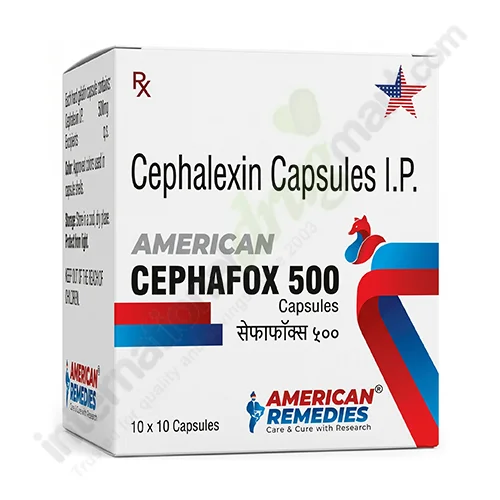
There are multiple generations of cephalosporins. Cephalexin is the first-gen med with proven efficacy in treating gram-positive strands. Such strands of bacteria have thicker outer walls making it easy to penetrate them. Cephalexin is mildly efficient in treating gram-negative strands; these have thinner walls and it is tough to gain entry into them.
Cephalexin for tooth infection
Cephalexin cures tooth infections. It is offered if you are allergic to other antibiotics like amoxicillin or penicillin-based antibiotic meds. First-line meds for tooth infections include penicillin, amoxicillin, and / or clindamycin. Clavulanate potassium is also a recommendation by caregivers to treat tooth infections.
Peptidoglycan – a unique polymer is present in cell-walls, protecting bacterial activity within. Cephalexin prevents active synthesis of peptidoglycan. It kills colonies and blocks bacterial growth.
You need to wait for a week at least to allow Cephalexin to work. Treating dentists will assess pain levels
on 3rd day into your treatment plan. Dosage levels are altered based on how your body responds to this antibiotic med. It is important to stop this drug after having the consent of your dentist.
You get cephalexin as capsules, pills, as well as suspension (syrup) forms. Dosages hover between 1 gram (gm) to 3.5 grams per day. Dosages are split either as 2 or 3 offerings in 24 hours. In such cases, 250 milligrams (mg) of cephalexin is offered as 4 distinctive doses or 500 mg as 3 doses each day. You can discern if this antibiotic med is working through a few changes. Foremost, swelling of the infected tooth decreases and pain is decreased as well reasonably. In addition, you can find that your body temperature may even decrease.
Pointers for safe intake of cephalexin
You should also inform your caregiver if you experience side effects like watery stools, pain in lower abdomen, etc. Occasionally, you might experience an increase in your body temperature. Such effects may worsen if you have any other health condition(s) or when you take meds interacting – adversely - with cephalexin; meds such as probenecid, metformin, etc. Of these, probenecid is used for arthritic pains caused by gout; metformin is useful in managing blood sugar levels.
You should even consult your caregiver if you are pregnant or get pregnant while taking cephalexin. Also, if you see discomforts like nausea, migraines, discharge of loose stools, and an altered sense of taste to persist, talk to your caregiving team.
These are a few serious side effects: formation of hives, painful joints, breathing problems – such as wheezing, gasping or panting and cramping of abdominal muscles. On sensing any of these, rush to a poison control center or a healthcare setting quickly. If you are allergic to cephalexin, you may experience inflammation of oral parts like your tongue, gums, or throat. It is also possible for your blood pressure level to drop, all of a sudden. You are advised to stop using this antibiotic med and consult with your caregiver. In such cases, your treating doctor may prescribe a safer antibiotic drug.
What can you not take with cephalexin, You should avoid taking cephalexin with alcohol, antacids, or drugs like metformin and blood thinners unless your doctor approves. These can change how the antibiotic works or increase side effects. Also avoid mixing it with probiotics at the same time, as they may reduce absorption. If you're already on other medicines, always check with your doctor before combining.
What other medical conditions cephalexin treats?
Cephalexin treats several bacterial infections including gum infections and tooth abscess. In addition, other medical conditions cephalexin treats include upper respiratory infections, ear and skin infections, Urinary Tract Infections (UTIs), and bone infections. Cephalexin is suitable for children as well as adults. It can treat infants aged - as young as – 12 months!
Lastly, you can minimise risks of tooth infections by brushing regularly - using a fluoride-based paste, use of an inter-dental brush / flossing. You may also need to cut down on intake of direct sugars. As part of regular check-ups and routine, it is always a great idea to follow-up with your dentist