


Vancomycin is one of the FDA-approved drugs forming part of the glycopeptide-antibiotic genre. It is available as capsules and also as a powder form. Vancomycin treats a few bacterial infections. Healthcare providers administer vancomycin to treat diseases like skin infections, bone and joint infections, endocarditis, meningitis – to a name a few. What is vancomycin dosage in adults? It is of use to have added details.
What is vancomycin?
Vancomycin is used for treating several bacterial infections. It prevents bacterial growth by killing bacterial strands. This antibacterial med is not useful for treating common colds, flu, or other virus-triggered conditions. Of the various conditions vancomycin treats, it is quite useful for treatment of colitis. Colitis shows up as inflammation of your intestines, triggered by explosive growth of bacteria.
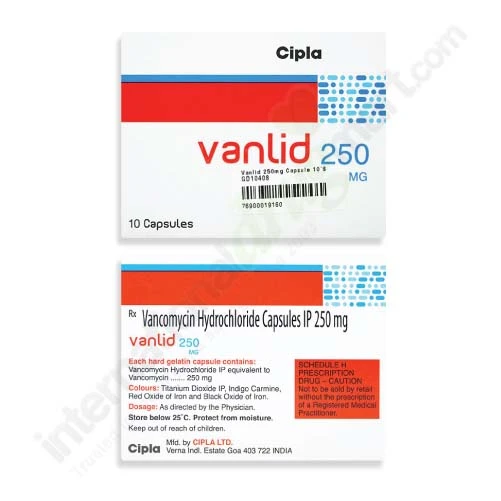
You can take vancomycin - under the guidance of your healthcare provider; treatment plan spans a week or ten days. You need to ensure taking it at same timeslot, every day. Beware of using this med while you are pregnant, as its key ingredients may affect fetal development.
Vancomycin dosage in adults
Vancomycin dosage in adults differs from one individual to another. You need to follow your caregiver’s advice and take dosage strength prescribed to you.
Your dosage plan depends on intensity of infections, your age and presence of other ailments – if any. In addition, number of doses administered within 24 hours, time interval in between two doses, and timeline of medication plan also depend on the type of bacterial infection(s) you are living with.
Maximum dosage strength of vancomycin in adults is 2,000 / 3,000 milligrams (mg) per day i.e. 2 to 3 grams per day. Such dosing is equally divided, and given once every 6 - 8 hours. Patients with obesity are advised to take vancomycin based on their weight. Here again, maximum dosing of vancomycin is capped at 3,000 mg.
Following are some adult dosage recommendations for a few medical conditions:
-
For treating Enterocolitis – Clostridium difficile-triggered diarrhea, oral dosage forms (capsules or liquid) for adults - 125 milligrams (mg) 4 times per day for 10 days
-
For Staphylococcal enterocolitis, adult dosage is 500 mg to 2,000 mg, divided into three or four doses each day - for a period of 7 to 10 days
-
For treating serious spells of Methicillin-Resistant Staphylococcus Aureus (MRSA) infections in adults with normal renal function and who are non-obese; physicians prescribe an initial dose of 15 to 20 mg / kg of body weight, once every 8 to 12 hours’ time. Such dosing is administered based on the caregiving team’s observation of your body weight
-
For bacterial infections, usual dosage for adults is 500 mg – taken 4 times per day; for every 6 hours or one (1) gram taken four times each day
-
For Endocarditis, common dosage for adults is 500 mg; this is offered 4 times i.e., once every 6 hours
-
In case of lung infections like pneumonia, usual adult dosage is 500 mg – taken 4 times i.e., once every 6 hours
-
If you witness severe spells of skin infections or bacterial growth on softer tissues, adult dosage is 500 mg – administered 4 times every day, each dose having an interval of 6 hours
-
In case of acute attack of Meningitis, adult dosage is restricted to 30 to 60 mg / kg of your body weight – prescribed 4 times within 24 hours. However, few researchers recommend a 15 mg / kg of weight dosage for four times each day, followed by 60 mg / kg of body weight per day. The maximum dosing is capped at 2 gm and the duration of treatment is for a minimum of 2 weeks’ time
Physician often prescribe a reduced dose of vancomycin for older patients as well as to those living with an impaired renal function. If you are obese / overweight, your treating doctor will consider a dose of 20 -25 mg / kg, capped at 3000 mg.
Do antibiotics trigger difficulties to pass stools, Depending on the antibiotic, some cases reported involvement in bowel trouble. The antibiotic could disturb the harmony of good bacteria in the intestine, leading to constipation or diarrhea. Others might feel a bit bloated or have cramps in the stomach, which would eventually make it difficult to pass stool. This could resolve itself if one drinks plenty of water, consumes fiber-rich foods, and takes probiotics to rebalance.

Vancomycin side effects
You are advised not to take vancomycin more than what is prescribed to you. Some users taken an overdose to expedite remedial outcomes; but such practices may do more harm than good. Needless intake of such meds may raise the risks of infections. Moreover, microbes may soon develop resistance towards such antibiotic treatment – if taken for long.
A few commonly experienced side effects of vancomycin include being nauseated, spell of vomiting, episodes of migraine, discharge of loose stools – to name some. You may even witness a dew serious side effects such as formation of hives, rash on skin, itchiness and inflammation, ringing inside ears, etc. If such adverse reactions persist, you need to consult with your caregiving team or rush to a medical facility on an emergency mode.
Precautions to follow before taking vancomycin
You need to ensure you are not allergic to the key ingredients used in this med. If you have prior allergies, make your doctor aware of such hypersensitivity. It is a safe thing to know of the active chemicals vancomycin is made of.
It is a good practice to inform your doctor and / or pharmacist of your current intake of other prescription-based meds or over the counters. Your caregiving team must also know of supplements of proteins, vitamins, or other essential minerals you are presently using.
Your treating doctor needs to know of your other disorders – especially, of gastric ailments like inflammatory bowel disease (IBD) – an inflammatory condition which causes cramps or diarrhea, Crohn's disease, ulcerative-colitis, loss of hearing, etc. If unattended, it can lead to a few renal conditions.
Women who are pregnant, or you are planning to become pregnant must let their doctor know of your medical condition. Also, mothers who are nursing an infant or breastfeeding their baby should let your physician know of your maternal responsibilities. In such cases, your doctor may change the drug and make you take those with lesser side effects. In addition, during the course of the treatment, if you have gotten pregnant, call your caregiving team on an urgent mode.
Disclaimer
Information provided here are only of supplementary nature. Information shared here does not substitute a qualified doctor’s advice. This website is not suggesting intake of this drug as safe or appropriate. Hence it is advised to talk to your doctor before consuming this med or any other drug.