


Isotretinoin belongs to a class of drugs called retinoids, a substance related to vitamin A. This drug treats severe forms of acne in adults and teenagers including conglobate or nodular acne, and acne-types that leave a lasting scar. Chief ingredients control sebum production - an oily material your skin makes. Quantum of sebum stands reduced with oral intake of isotretinoin. But what is the best time to take isotretinoin day or night?
Acne is one of the skin conditions of the long-term genre. It shows up when oil and dead-cells clog follicles of hair. This condition shows up as whitehead or blackheads, excessive oil on skin, pimples, etc. In some cases, acne can leave scars on your skin. Acne is known to affect sites wherein oil-glands are more viz., upper half of your chest, back and on face.
More than 3/4th of acne erupts due to genetical reasons. Regardless of gender, a hormone called androgen plays a key role; this makes your body to produce more sebum – a subcutaneous substance. Sebum is made of fatty acids, triglycerides, naturally-forming wax, etc.
In this light, what is isotretinoin?
Isotretinoin is a form of retinoic-acid (of the 13-cis sub-genre). It is widely used for severe to milder forms of acne – especially conditions remaining resistant to other forms of antibiotic meds. Key chemicals of isotretinoin help lower keratin. Excessive keratin can block pores present on your skin's topmost layer.
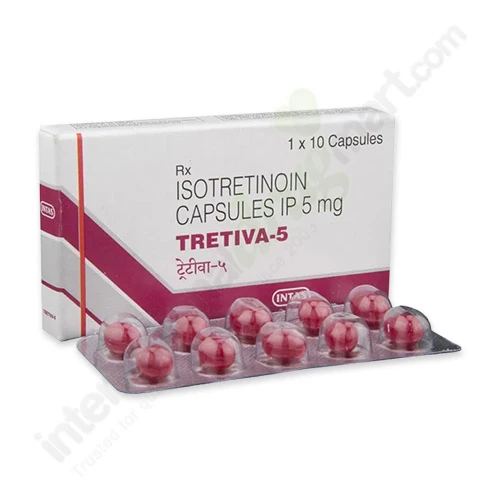
This retinoid drug is taken for follicular conditions like rosacea, folliculitis, etc. It is also used as an off-label drug for skin disorders like sarcoidosis, Grover disease, discoid lupus erythematosus, extensive actinic keratosis, and granuloma annulare.
Most clinicians recommend this med as a first-line treatment for severe acne. Additionally, isotretinoin is also indicated for acute to chronic spells of seborrheic dermatitis. Your caregiver may advise this medicine for 4 - 7 months’ time i.e., until your skin turns acne-free.
Isotretinoin lowers the chance of recurrence of skin conditions in children – especially those with high-risk neuroblastoma due to exposure to high-dose chemotherapy and stem-cell transplantation. Following a transplant, most caregivers may prescribe this med for six months.
When is the best time to take isotretinoin - day or night?
Physicians administer isotretinoin through the oral route. You can take it either during morning and evening hours. However you can take it only once per day. The most important thing is that you should take the drug at the same timeslot, during the time of your largest meal of the day. This is chiefly because isotretinoin is absorbed quite well when administer along with a meal.
If you experience any skin dryness or flushing, you can opt to take isotretinoin at night time because this drug makes your skin more sensitive. When you take this medicine during night hours, it may help you to reduce daytime exposure to sun’s rays.
Caveat: You are advised not to take this drug if you have vomited immediately upon using it, This occurs mainly because traces of isotretinoin may still remain in your stomach. It is a wise thing to call your treating doctor when you see spells of vomiting persist for long.
Isotretinoin is likely to cause serious side effects such as mucocutaneous dryness, elevated serum levels, birth defects, and psychiatric effects. Most commonly encountered side effects are chapped lips, dry eyes, muscle, and joint aches.

Rare side effects like hair loss, inflamed throat, sudden rash, gut issues, and eyesight problems also tend to mount. You are advised to be in touch with your caregiving team if side effects recur or persist for long.
Pregnant women are at added risk. Isotretinoin is not advised during pregnancy and for those who are planning to get pregnant, This med may cause pregnancy-related birth-defects like harming your unborn fetus. Your doctor may ask you to take a pregnancy test prior to start of therapy. When initiating isotretinoin, test needs to demonstrate you are not pregnant.
If you have hepatic disorders, high levels of fats and allergic to foods containing soya or peanuts, you need to inform your caregiver before starting treatment. Some class of medicines like warfarin, tetracycline antibiotics and vitamin A supplements interact with isotretinoin. Also, while taking isotretinoin, excessive alcohol use is avoided as it can raise risks of liver damage.
Precautions needed while using isotretinoin
You are advised not to drive your vehicle or take up work that involve heavy machinery movement as this medicine may impair your night vision ability. This issue could put you at higher risk. Before you take this drug, ensure that you are completely aware of its side effects.
Isotretinoin may make your eyes dry. You will also feel the effects to last up-to two (2) weeks after discontinuing it. In such cases, you can hydrate with eye drops to manage drying of eyes. Your skin may turn sensitive and may get irritated during the initial weeks of treatment. It is better to avoid too much exposure to sun. If you are venturing out of your home, use a sunblock product, safety garments like gloves, hat, etc.; also stay away from using suntan booths or refrain from sunbaths.
You are more prone to injuries while playing contact-based sports; this is because joint pains or stiffness of muscles are possible side effects of isotretinoin. You are hence advised to cut down such physical activities while undergoing treatment. In addition, you need to stay away from donating / giving blood to others – especially those who are pregnant - while using this drug. Care not to donate blood for at least 5 weeks after discontinuing the use of isotretinoin; such practices may harm the fetus.
Acne on the back, To get rid of back acne (bacne), keep your back clean and dry, use a gentle exfoliating body wash with salicylic acid or benzoyl peroxide, and avoid tight clothing. Shower after sweating and change bed sheets regularly. Don’t pick at pimples. If over-the-counter treatments don’t help, consult a dermatologist for stronger topical or oral medications.
In sum, your caregiver may advise you to take this medicine with a meal i.e., either during the day or at night hours. The time you take this med depends on your convenience and preference; regardless of when you take it, following a regimen helps get better results and lowers the odds of undesired side effects.