


Dealing with stubborn bumps on the face that just will not clear up can feel incredibly frustrating. You might have all tried every acne wash and cream on the market without seeing any real improvement. Some of the simple truth is where breakout might not be regular acne at all, but rather fungal acne.
This type of breakout might all that is needed for that different approach than typical pimples. It is often misdiagnosed, while leading people to use the wrong products for months or even years. The guide is here to help you for spotting the difference and finally learning as to how to treat fungal acne on face effectively.
What Exactly is Fungal Acne?
The official medical name for fungal acne is Malassezia Folliculitis or Pityrosporum Folliculitis. It is not caused by the bacteria that can lead to some regular acne, but by an overgrowth of yeast. Yeast is a type of fungus which shall live naturally on everyone’s skin.
The problem starts when too much of this yeast might grow right inside the hair follicles. Such trapped yeast can lead to redness, inflammation, and those that are annoyed by the tiny bumps. As it is about living in the hair follicle, it looks like a breakout but shall need an anti-fungal product to heal.
Why Does It Happen?
Several things can lead to this yeast to grow out of control on the face and body. Knowing the causes can further help in preventing future flare-ups.
- Humidity and Heat: Sweat and warm, moist environments are perfect for that yeast growth.
- Antibiotics: Taking proper amount of antibiotics can further kill the good bacteria that might keep the yeast in check.
- Occlusive Products: Heavy moisturizers, oils, and sunscreens can further trap that yeast in the follicle.
- Weak Immune System: If the body is fighting other things, the yeast can simply take over easily.
Fungal Acne vs. Regular Acne: Spot the Difference
This is known to be the most critical step in learning how to treat fungal acne on face successfully. When one might treat a fungal issue with standard acne products, you shall further be likely making it worse.
| Feature | Fungal Acne (Malassezia Folliculitis) | Regular Acne (Acne Vulgaris) |
| Appearance | Uniform, small, red bumps (often pinhead-sized). | Blackheads, whiteheads, large cysts. |
| Sensation | Very itchy and sometimes burning. | Usually tender, painful, but rarely very itchy. |
| Location | Often on the forehead, hairline, chest, and back. | Can be anywhere, but often on the jawline and chin. |
| Treatment Response | Worsens or doesn't improve with traditional benzoyl peroxide or salicylic acid. | Responds well to standard acne treatments. |
If your little bumps on the face are all the same size and are intensely itchy, you are likely to deal with fungal acne.
Key Topical Treatments: The Anti-Fungal Arsenal
The main goal of treating the issue is about getting rid of the extra yeast causing the trouble. Fortunately, the best solutions are often available over the counter (OTC) and are easy to use. Such treatments might target the yeast directly, which is well crucial.
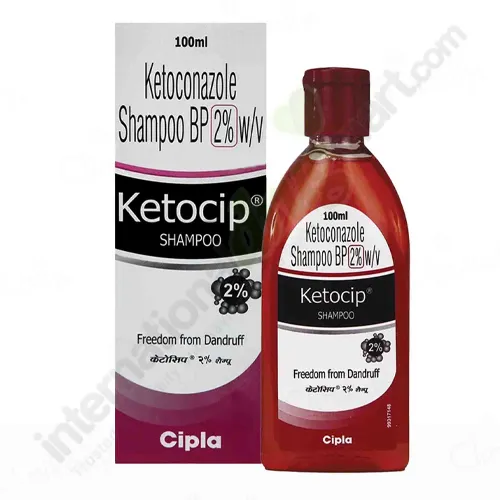
1.Ketoconazole Shampoo for Face
One of the most effective and common solutions is about using an anti-dandruff shampoo containing Ketoconazole. This ingredient is a powerful anti-fungal agent which shall notably kill the yeast that leads to the bumps. While it is made for the scalp, you can further use ketoconazole shampoo for face treatment.
- How to Use: Apply simply small amount of shampoo on the affected areas of your face.
- Let it sit on the skin for approx. 3 to 5 minutes so the ingredients can work well.
- Rinse it off completely on using those cool water.
- Start it by doing this once in a day, or even every other day, to see how the skin shall react.
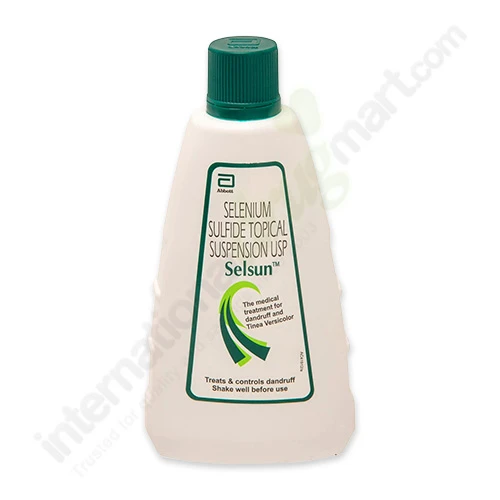
2.Selenium Sulfide Wash
Another great OTC option that is found in anti-dandruff products is Selenium Sulfide. Just like those Ketoconazole can help in controlling the growth of the problematic yeast on the skin. This ingredient is usually well-tolerated, and it can be well used just as the shampoo method.
3.PyrithioneZinc Soap/Wash
Many people might have success with body washes or soaps that has Pyrithione Zinc. Such common ingredient might also have anti-fungal properties, and it is well gentler approach for facial skin. Look for a simple, bar-style soap with the ingredients mentioned and use it as your daily cleanser.
Safety Note: Make sure that the patch-test can be used as a new product on a small area of the skin first. When the skin feels dry or irritated, simply lower the use of this product.
When Do You Need a Doctor’s Help?
While OTC treatments shall work well for numerous people, sometimes the infection is widespread or deep for them to be clear. This is when one must simply schedule an appointment with a board-certified dermatologist. They can also offer more targeted and stronger solutions.
Oral Anti-Fungal Medication
If topical treatments are not working, the doctor shall prescribe some of the oral anti-fungal pills. These meds like Fluconazole or Itraconazole, shall attack the yeast from the inside out. They are just so effective while being reserved for severe cases because they can have side effects.
- Oral medications are prescription-only and they shall need a doctor’s supervision.
- They are further taken for a short period, usually just one to two weeks, for cleaning the infection.
- The doctor shall further monitor liver health while using these strong medications.
Make sure that you never start or stop a prescription medication without talking to your doctor first.
Skincare Swaps: Do Not Feed the Fungus
A crucial step in learning how to treat fungal acne on face is simply altering the regular skincare routine. The yeast that leads to the bumps thrives on certain oils and ingredients found in numerous popular beauty products. We further need to cut off the food supply!
- Avoid Oils and Esters: Ingredients including Coconut Oil, Olive Oil, and Esters (that has some end in -ate, like Isopropyl Myristate) are a feast for the yeast.
- Stop Using Rich Moisturizers: Heavy creams can further create a moist environment that shall encourage yeast growth. It shall be about switching lightweight, oil-free, or gel-based moisturizers.
- Check Makeup: Make sure the foundation, primer, and concealer are all listed as "oil-free" and "non-comedogenic."

What You Should Look For
Switching to some of the products that has simple ingredient lists is the best approach. Make sure that you look for products specifically labelled as:
- Oil-Free
- Non-Comedogenic
- Hypoallergenic
- "Fungal Acne Safe" (Many brands are now using this term!)
Using this gentle hyaluronic acid serum for hydration is usually safe and this can help in calming the skin.
Lifestyle & Prevention: Keeping Your Skin Clear
Once you successfully perform the clearing up of those bumps, you also need to follow simple habits. This helps in preventing them from returning. Prevention is usually easier than treatment when it all comes to yeast overgrowth.
Focus on Hygiene
- Shower Immediately After Sweating: Yeast loves sweat, so alteration of the same happens in those sweaty clothes right after exercise or heavy work.
- Clean Pillowcases and Towels: changing the pillowcase every few days and using a clean towel every time you wash the face helps.
- Avoid Tight Hats/Headbands: Anything that shall trap heat and sweat near your hairline or forehead can lead to flare-ups.
Dietary Considerations
While there is no single "fungal acne diet," some people shall also find it helpful on lowering the sugary foods. Sugar can further feed yeast internally, so having a balanced diet is usually a good idea for overall skin health. Focus on whole foods and drink plenty of water to keep your body balanced.
Your Action Plan
Figuring out how to treat fungal acne on face is a journey of identification and elimination. You are further not dealing with any of the regular pimples, so the treatments shall change completely.
- Confirm the Symptoms: Is it small, uniform, and itchy too?
- Start Topical Anti-Fungals: Make sure to use a wash containing Ketoconazole or Pyrithione Zinc for five minutes every day.
- Purge Your Skincare: Eliminate all heavy oils and rich moisturizers from the routine.
- Practice Smart Hygiene: Shower post sweating and using fresh towels and pillowcases frequently.
- Talk to a Doctor: If the bumps do not improve after a few weeks of OTC treatment, seek medical advice for those stronger options.
Further, on making these simple but important alterations, you can also win the battle against those stubborn, itchy bumps. Get back to have clearer, more comfortable skin. Remember, finding some of the right solution as it is about understanding the true cause!