


When one shall feel a scratchy throat or a chest cough coming on, you want the fastest relief possible. Most of the people might simply head to the doctor while hoping for a "strong" antibiotic which can help them to clear things up quickly.
Two names that shall usually come up are Azithromycin and Amoxicillin. You might also wonder as to which one is the "heavy hitter" in the medicine cabinet.
Is a five-day dose of one better than having a ten-day course of the other? The answer is not just about which is "stronger," but rather which is the right tool for the job.
Here, we are ready to break down on how these two common medicines shall work. We shall simply look at all the differences, their side effects, and why the doctor might choose one over the other.
What Is Amoxicillin?
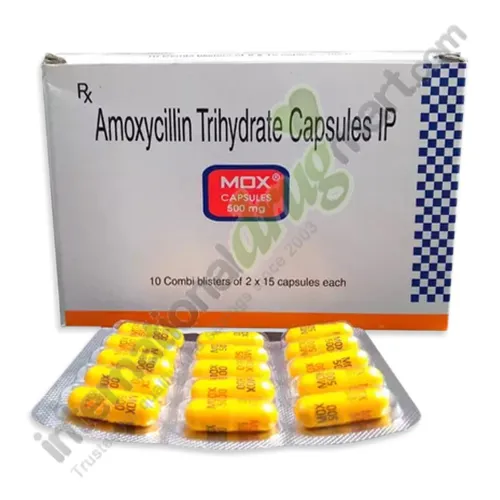
Amoxicillin medicine is a member that belongs to the penicillin family of medicine. Doctors have used this medication for decades as it is trusted to be super effective against many common germs.
This medicine is usually trusted to be the first choice for simple infections in both children and adults. The medicine simply works by attacking the cell walls of bacteria while they are trying to grow.
Without a strong wall, the bacteria might eventually burst and die off. This makes it a "bactericidal" drug, meaning it shall eventually kill the bacteria directly. You might see it prescribed for several things including ear infections or sinus pressure.
This is also about the go-to choice for dental infections or a simple case of strep throat.
As it has been around so long, we know a lot about how safe it is.
What Is Azithromycin?
Azithromycin can all belong to a group of medication known as macrolides. There are many people know it by the popular brand name "Z-Pak." This medicine is famous for having a very short treatment window, often just three to five days.
Unlike Amoxicillin, Azithromycin does not kill bacteria instantly. However, it stops them from making the proteins they need to grow and multiply internally. When the bacteria cannot grow, your own immune system can step in and finish the job on overcoming infection.
This medication shall eventually stay in the body for a long time after you might take the last pill. That is why you might only need some dosages to get the full effect.
It is commonly used for lung issues, including bronchitis or pneumonia.

The Myth of "Strength"
Many patients might also believe that a medicine is "stronger" if it might work quicker or handles bigger illnesses. However, in the world of medicine, strength is just about those "spectrum." This can all refer to how many different types of bacteria a drug can fight.
Amoxicillin medication is usually called a "narrow-spectrum" or "moderate-spectrum" antibiotic. This medication is like a sniper which shall target specific, common bacteria accurately.
If those specific germs might lead to the illness, Amoxicillin medicine is just so incredibly powerful.
Azithromycin is more of a "broad-spectrum" antibiotic. This medicine can reach a wider variety of bacteria, which includes some that Amoxicillin might miss.
It does not make it "better," it just makes it useful for different types of infections.
When Do Doctors Use Amoxicillin?
Your healthcare provider shall simply choose Amoxicillin if they suspect any sort of "standard" bacterial infection.
It is highly effective against those Gram-positive bacteria, that are are common in the head and throat.
If you have a child with an earache, this is almost always the first choice.
Common uses for Amoxicillin include:
- Strep Throat: It is very effective at killing the specific bacteria that cause this.
- Ear Infections: It reaches the middle ear well to clear up fluid and pain.
- Urinary Tract Infections (UTIs): It can sometimes be used for simple bladder issues.
- Dental Issues: Dentists use it to prevent or treat infections in the gums or teeth.
Amoxicillin is affordable and easy to find, it comes in capsules, tablets, and even flavored liquids for kids.
When Do Doctors Use Azithromycin?
Azithromycin is often the "Plan B" if a patient is allergic to any sort of medicine from the penicillin family. It is also a top choice for "walking pneumonia" or other respiratory issues. As it penetrates deep into lung tissue, which is just so great for chest-related sickness.
Common uses for Azithromycin include:
- Sinus Infections: Especially if the patient might have any sort of infection for a long time.
- Community-Acquired Pneumonia: The medicine works well against "atypical" lung bacteria.
- Skin Infections: It can help in treating specific types of bacterial skin rashes.
- STIs: It is frequently used for overcoming infections including Chlamydia in a single dose.
One of the biggest benefits is the "convenience factor." Use of one pill a day for five days is much easier than taking three pills a day for ten days.

Understanding Antibiotic Resistance
A big reason the doctor might choose one over the other is local resistance. In some areas, bacteria have "learned" how to survive certain drugs.
If Amoxicillin doesn't work in your town for ear infections, the doctor will switch to something else. Using a "stronger" broad-spectrum drug when it isn't needed can be a problem.
It can kill off too many good bacteria, leaving room for "superbugs" to grow. This is why doctors try to use the most targeted drug possible first. You play a role in preventing this resistance as well. Never share your antibiotics with a friend or family member. Even if you feel 100% better, you must finish the entire bottle as directed.
Final Thoughts on Strength
So, which is stronger? Neither is "better" in a vacuum. Amoxicillin is a powerful tool for specific, common infections. Azithromycin is a powerful tool for respiratory issues and for people with allergies.
The "strongest" antibiotic is the one that actually kills the bacteria making you sick. If you take a Z-Pak for a virus, it won't do anything at all. In that case, the "strength" of the medicine is zero because it's the wrong target. Always trust your healthcare provider's diagnostic skills.
They know which bacteria are currently "going around" in your community. Take your medicine exactly as told, and you will be back on your feet in no time.