


Penicillin belongs to a broader group of antibiotics - of class β-lactam. The core function of this med is to disrupt bacterial cell walls. During this process, penicillin prevents bacteria from reproducing and cause any more infections. Not only this, penicillin is effective against a number of bacterial infections. This includes pneumonia, strep throat, and syphilis to name a few. Is vancomycin a penicillin? It pays to have more inputs.
What is vancomycin?
Vancomycin is a glycopeptide antibiotic. It has the approval of the US-based drug clearing body – Food & Drug Administration (FDA). You can buy this med in different forms viz., a capsule, oral solution and also as an injection.
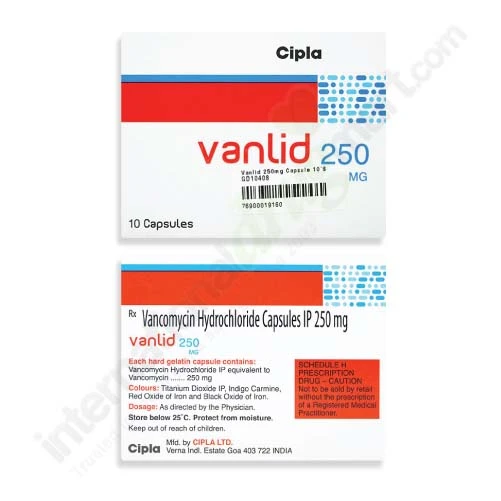
Vancomycin is used for treating enterocolitis – triggered by a bacterial strand called Staphylococcus aureus. This antibacterial drug is used for treating both children as well as adults. Vancomycin is also used for treating intestinal conditions caused by another microbe called Clostridium difficile.
This med is effective against gram-positive strands of anaerobic and aerobic bacteria; especially strands which do not respond to other meds. In addition, this is used for bone-infections, a few skin conditions, infections in your lower-respiratory parts and conditions like sepsis when all treatment options have dried out.
Healthcare experts recommend administer vancomycin intravenously (through veins) to those suffering from conditions like meningitis, endocarditis, etc.
Is vancomycin a penicillin?
Vancomycin is different from penicillin. However, penicillin and vancomycin are both antibiotics. They inhibit bacterial cell wall synthesis. Both penicillin and vancomycin have distinct applications and they resort to different processes to fight harmful bacteria.
Vancomycin belongs to a sub-genre called glycopeptides - a unique class of antibiotics. Penicillin belongs to the beta-lactam group of antibiotics whereas vancomycin is of non-beta-lactam type. The key difference between penicillin and vancomycin is that, unlike penicillin, vancomycin does not directly bind to Penicillin-Binding Proteins (in short, PBPs).
Those who are allergic to penicillin can use vancomycin, as the latter is a relatively safe drug. Vancomycin is used for treating colitis. Colitis is a medical condition causing internal swelling of your intestine, caused by bacteria.

Patients suffering from common medical conditions like cold, flu, or other virus-related infections, may however not find much use from vancomycin.
Medical use of penicillin and vancomycin
Both penicillin and vancomycin have different uses relating to its clinical aspects. Caregivers prescribe penicillin to treat infections in your ears, conditions like strep throat and a few Urinary Tract Infections (UTIs). Vancomycin is used to treat severe infections like endocarditis, methicillin-resistant Staphylococcus aureus (or, MRSA) and complicated bone infections.
You need to know penicillin is available in several formulations. For parenteral or oral administration purposes, you can choose vancomycin. Vancomycin stands as an effective substitute, used in therapies where penicillin and cephalosporin have not much use. Penicillin has a significant Post Antibiotic Effect (PAE) – a situation where bacteria cannot stay alive even after the drug levels decline. Its post-antibiotic effects are highly beneficial in treating invasive streptococcus infections.
Caregivers consider penicillin as the drug of choice for the treatment of syphilis (Treponema pallidum). Penicillin is effective in treating the following medical conditions:
- Pelvic inflammatory disease
- Pneumonia
On the other hand, for inhibiting gram-positive organisms intravenous vancomycin remains a better choice. Caregivers even prescribe vancomycin as an alternative antibiotic to treat pneumococcal meningitis that occurs due to strains with reduced penicillin sensitivity.
Vancomycin also treats several medical conditions in both adults as well as children like:
- Meningitis
- Pneumonia
- Staphylococcal enterocolitis
Penicillin-resistance towards gram-positive bacteria and vancomycin-resistance towards certain species like enterococcus is of concern. In this light, you need to know how MRSA differs from other fellow-strands of S. aureus. Foremost of all, MRSA fares among one of the difficult-to-manage infectious conditions. This is chiefly because of resistance MRSA has developed to multiple drugs – especially to beta-lactam genre of antibiotics.
Caveat: Infections of MRSA-strands are more prevalent in prisons, nursing homes and in hospitals. Stay clear of open injuries or cuts / nicks and of invasive items like say, catheters. If your immune system stands compromised, you need to stay doubly cautious as the odds of getting infected are quite high. The initial signs of MRSA resemble boils or pimples. You may also witness an increase in body temperature along with rashes on your skin.
Toxic levels and adverse effects of Penicillin vs. Vancomycin
Penicillin’s side effects are dose dependent and are mostly adverse reactions. Some of the adverse conditions include hemolytic anemia and neurotoxicity. However, as per research and scientific reports, only 1% of people are allergic to penicillin. However, 10% of people report some allergic reaction towards penicillin. (this is not clear)
Vancomycin’s side effects include vancomycin hypersensitivity syndrome i.e. red man syndrome. Moreover, vancomycin can result in skin-related (cutaneous) adverse reactions. Some patients even experience ototoxicity – hearing difficulty, which is a rare side effect. Hematologic toxicity (hemotoxicity) is again a rare side effect vancomycin causes.
Pregnant women or lactating women are unlikely to experience very adverse side effects using penicillin or vancomycin.
Caregivers may adjust the dosages of vancomycin and penicillin when administered intravenously, to prevent altered renal function.
Safe use of vancomycin
You can buy vancomycin in capsule and oral solution (liquid). You are advised to take vancomycin under the guidance of your healthcare provider. Dosing of vancomycin depends on the type of medical condition you are living with.
Your physician must also know if you suffering from medical conditions like inflammatory bowel disease (a swelling of your intestine that can cause painful cramps or diarrhea), Crohn's disease, ulcerative colitis, hearing loss, or any kidney ailment. Based on the inputs you provide to your physician, they will prescribe the right dose for you.
Caregivers usually prescribe vancomycin three or four times per day. Treatment period lasts a week or may even extend up to ten days. You need to take the med at the same time to get better practices of it. However, your healthcare provider will closely monitor your condition for any side effects and help you utilize the complete benefits of the drug.
Disclaimer
Information provided here are only of supplementary nature. Information shared here does not substitute a qualified doctor’s advice. This website is not suggesting intake of this drug as safe or appropriate. Hence it is advised to talk to your doctor before consuming this med or any other drug.