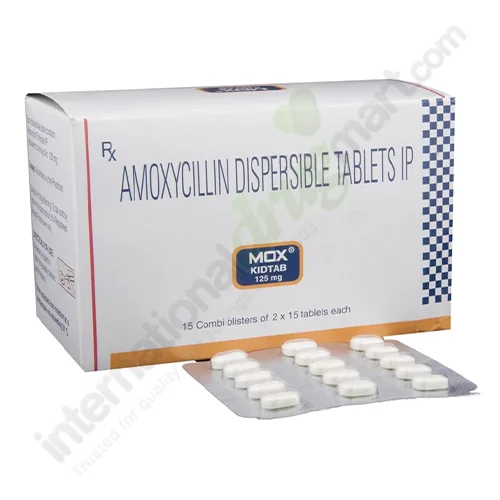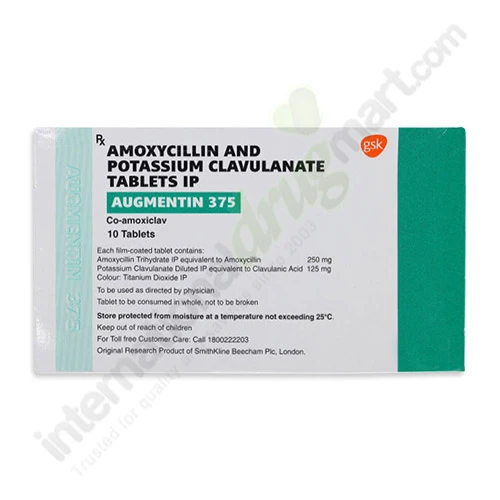
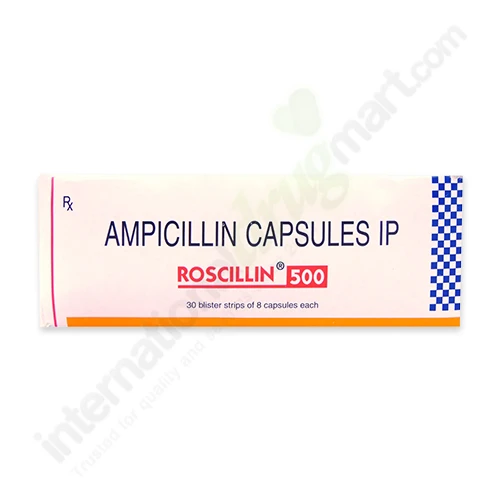
What does Ampicillin treat?
Ampicillin is a penicillin antibiotic that is prescribed for the prevention and treatment of a wide range of bacterial infections such as meningitis, bladder infections, pneumonia, gonorrhea and stomach infections. Your physician may use this to treat other ailments based on their discretion.Possible Side Effects
Ampicillin might have some side effects but it’s not possible to anticipate them. It does not have any major side effects and the minor ones that may occur are temporary. In rare cases, there might be major side effects and immediate medical attention must be sought. Some of the side effects could be irritation of mouth, tongue sores, diarrhea, nausea, vomiting, loss of appetite, stomach pain, itching and dizziness. This is not the complete list though. In case, there is a change in intensity of side effects or if any new side effects develop, make sure you consult your doctor.Dosage Instructions
Follow the Ampicillin dosage prescribed by your physician. The dosage could vary based on individual patient requirements. Always follow your physician’s instructions or go by the directions on the prescription drug label. Make sure you have it with a whole glass of water. This must be taken on an empty stomach. Let your doctor know if you are pregnant or breast-feeding.Missed a dose?
Take it immediately once you remember. In case, this time falls close to the next dosage, skip it and get back to the prescribed schedule. Never take a double dose unless your physician specifically directs you to do so.Overdosed?
Don’t waste any time and seek immediate medical attention. Overdose symptoms that you might encounter are nausea, vomiting, diarrhea and seizures.Drug Interactions
Drug interactions must be considered before starting to take any kind of drug. Drug interactions might happen either when Ampicillin is taken along with another drug or with particular foods. To prevent any kind of negative interaction, make sure you inform your doctor of any drugs you are taking including non-prescription medication, OTCs, health supplements like vitamins, minerals, herbal medicine, drinks with caffeine and alcohol, illegal drugs, smoking habits and so on which may increase the effect of Ampicillin. It may interact with:- Allopurinol
- Gentamicin
- Warfarin
- Heparin
FAQ's
What Is Ampicillin Used For in Pregnancy?
Ampicillin is an antibiotic that helps treat bacterial infections during pregnancy, such as urinary tract infections (UTIs) or respiratory infections. Doctors may prescribe it when the benefits outweigh potential risks. It works by stopping bacteria from growing, making it safer for both the mother and the baby when taken under medical guidance.
Can I Take Ampicillin for a Yeast Infection?
Ampicillin is not effective for yeast infections since it targets bacteria, not fungi. In fact, antibiotics like Ampicillin can sometimes cause yeast infections by upsetting the body’s natural balance. If you suspect a yeast infection, it’s best to consult a doctor for antifungal treatment instead of using Ampicillin.
Is It Safe to Take Ampicillin While Pregnant?
Ampicillin is generally considered safe during pregnancy when prescribed by a doctor. It’s often used to treat bacterial infections that could otherwise cause complications. However, it’s important not to self-medicate. Always follow your healthcare provider’s advice to ensure safe dosing for both mother and baby.
Can I Take Ampicillin for UTI?
Yes, Ampicillin can be used to treat urinary tract infections (UTIs) caused by bacteria sensitive to it. It works by killing or stopping the growth of harmful bacteria. However, some bacteria may resist Ampicillin, so your doctor may recommend a urine test to confirm if it’s the right antibiotic for your infection.
How Long to Take Ampicillin for UTI?
The usual course of Ampicillin for a UTI lasts 7 to 14 days, depending on infection severity and your doctor’s advice. It’s important to complete the full course even if symptoms improve early. Stopping too soon may allow the infection to return or cause antibiotic resistance.