


Hair is just like to be more than just "looks", which is a part of who you are. Finding some more hair in the drain than you might usually have can be just so stressful. However, you are not alone in this journey.
Two of the most common treatments for that female hair loss are Spironolactone and Finasteride medicine. While they shall fight thinning, they further work in different ways and suit various stages of life.
Some of the guide that can help one in understanding the pros, cons, and safety facts for each of the options mentioned. Further, one might wish to help is about a better conversation with the doctor about hair health.
What Causes Female Pattern Hair Loss?
Most of the women who shall be about deal with a condition known as androgenetic alopecia. It occurs when the hair follicles shall be completely sensitive to "androgen" hormones, including testosterone and DHT.
These hormones can all lead to the hair follicles to shrink over time. Such things shall make the hair grow back thinner and shorter until it eventually stops growing altogether.
Restricting the process early is the best way for keeping the hair one might have. Both Spironolactone and Finasteride target these hormones for giving the hair a chance to recover.
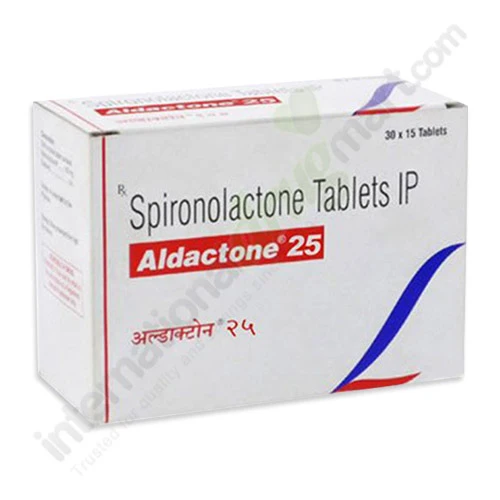
Understanding Spironolactone
Spironolactone medicine (brand name Aldactone) was used for overcoming the condition of high blood pressure. Today, it is a go-to "off-label" treatment for some of the women who are seen facing hormonal hair thinning or adult acne like condition.
How It Works for Hair
- Blocks Androgens: this shall stop male-type hormones from attaching to the hair follicles.
- Lowers Production: This condition can lower the total amount of testosterone the body shall make.
- Reduces Shedding: Most of the users notice less hair falling out within 3 to 6 months.
Who is it Best For?
This medication is usually trusted to be the first choice for women of childbearing age. This is especially helpful for those who might eventually deal with PCOS like condition, oily skin, or some of the unwanted facial hair.
Common Side Effects
- Frequent urge to urinate (Which is a mild diuretic).
- Breast tenderness or slight enlargement.
- Irregular menstrual periods or spotting of the same.
- Occasional dizziness or headaches.
Understanding Finasteride
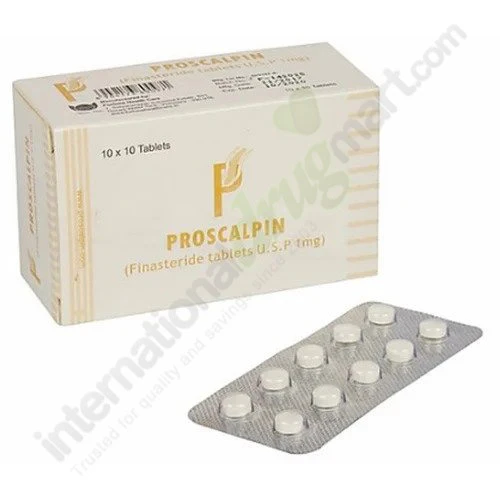
Finasteride medicine (brand names Propecia or Proscar) is trusted to be a famous solution for overcoming male baldness like condition. However, doctors might also prescribe it for women when some of the other treatments have not worked well enough.
How It Works for Hair
- Targets DHT: This medication shall block the enzyme (5-alpha reductase) which shall turn testosterone into DHT.
- Follicle Protection: It helps in lowering DHT, which shall prevent the prevents the "shrinking" of that hair follicle.
- Promotes Growth: this is further about using some of the higher doses for women (2.5 mg to 5 mg) than for men.
Who is it Best For?
Finasteride medication is most recommended for postmenopausal women. Since it does not affect as many different hormones as Spironolactone. This medicine can be a cleaner option for some older adults.
Common Side Effects
- Alterations in mood or occasional "brain fog."
- Lowered interest in sex (low libido).
- Headaches or skin dryness like condition.
- Enahnced growth of hair on other parts of the body.
Important Safety Warning: Pregnancy
Some of the critical thing to know about both the medications is that they are not safe during pregnancy. Both of these things can lead to some serious birth defects in a male fetus.
- Spironolactone: If you are of childbearing age, one shall be using some of the reliable birth control solutions.
- Finasteride: Pregnant women must not even handle crushed or broken tablets.
- Planning Ahead: while one might plan to be pregnant, you must also stop using such medicines advance.
Make sure you discuss the family planning with the doctor before starting any hormonal hair treatment. They will help you create a safe "exit plan" while deciding to conceive.

Practical Tips for Your Treatment
-
Be Patient
Hair grows in literally slow cycles. You will not wake up with a full mane after one week of pills. However, most of the women shall see some real outcomes after 6 to 12 months of consistent use.
-
The "Dread Shed"
Some of the women are seen to notice more shedding during the first few weeks. Do not panic! This is usually trusted to be a sign that the medication is pushing out old hairs to make room for new, stronger ones.
-
Check Your Labs
Since Spironolactone medicine can affect those potassium levels, the doctor might also ask for occasional blood tests. Some things shall also ensure kidneys and heart stay healthy while you might treat the hair.
-
Consider Combinations
Many doctors find that such medicines shall work even better when paired with Minoxidil (Rogaine). While the medication shall fix the internal hormones, Minoxidil pill can help the blood flow on the outside.
Which One Should You Choose?
The "winner" of the medication shall all depend entirely on the health history and your age. The doctor shall further look at blood work to see current hormone levels before deciding.
- Choose Spironolactone if: You are younger, have PCOS, or struggle with hormonal acne alongside that hair loss.
- Choose Finasteride if: You are postmenopausal or if Spironolactone did not give you the outcome one shall wish to have.
Neither drug is "better" than the other; they are just so different tools for different situations. Every woman's body might further react uniquely to hormonal changes.