


Dealing with adult acne can feel like a never-ending battle. You might think you left breakouts behind in high school, only to find them returning in your 20s or 30s.
When over-the-counter creams fail, most people turn to a dermatologist. Two of the most common prescriptions you will hear about are Spironolactone and Doxycycline.
While both are used to clear your skin, they work in very different ways. Choosing the right one depends on what is causing your breakouts in the first place.
Why Acne Happens in Adults
Acne isn't just about "dirty" skin. It is usually caused by a mix of oil, bacteria, and hormones.
For some, the problem is an overgrowth of bacteria in the pores. This causes those red, painful bumps that seem to pop up overnight.
For others, the issue is internal. Hormones can tell your skin to produce too much oil, leading to deep, cystic spots that never seem to go away.
Doxycycline: The Antibiotic Approach
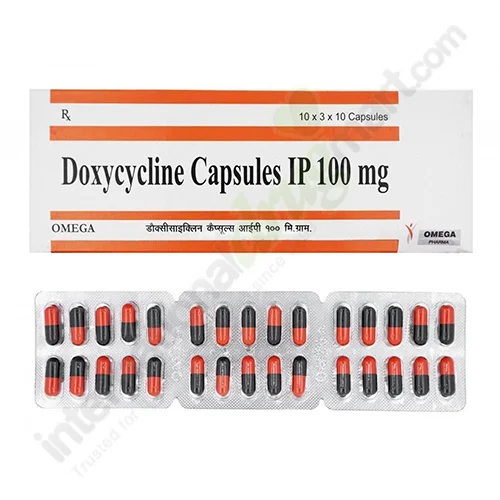
Doxycycline is a powerful antibiotic that belongs to the tetracycline family. It is one of the most frequently prescribed "first-line" treatments for acne.
Its main job is to kill the bacteria that live inside your pores. By doing this, it stops the infection before it turns into a large pimple.
It is also an anti-inflammatory. This means it helps take the redness and swelling out of your skin quickly.
How It Works for Your Skin
When you have inflammatory acne, your skin is essentially "on fire." Doxycycline acts like a fire extinguisher to calm things down.
It is usually prescribed for moderate to severe acne. If you have a lot of red, pus-filled bumps, this is often the drug a doctor will pick.
Because it works on bacteria, it can be used by both men and women. This makes it a very versatile option for many different people.
What to Expect with Dosage
Doctors usually start you on a dose of 50mg to 100mg once or twice a day. You usually take it for three to six months.
It is important to know that Doxycycline is not a long-term solution. Using antibiotics for too long can lead to "antibiotic resistance."
This is when the bacteria in your body get used to the drug. If that happens, the medicine stops working, and your acne might come back even worse.
Common Side Effects of Doxycycline
- Stomach Upset: This is the most common complaint. It can cause nausea or even pain if not taken correctly.
- Sun Sensitivity: Your skin will burn much faster in the sun. You must wear high-SPF sunscreen every single day.
- Esophageal Irritation: If the pill gets stuck in your throat, it can cause a painful burn. Always take it with a full glass of water.
Spironolactone: The Hormonal Solution
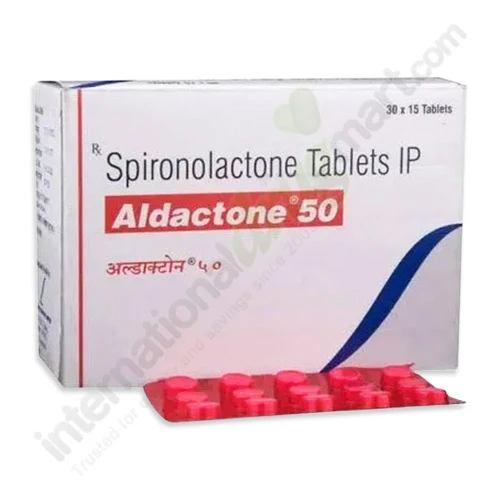
Spironolactone is a very different type of medication. It was originally made as a "water pill" to treat high blood pressure and heart issues.
However, doctors noticed it had a side effect that cleared up skin in women. It is now widely used "off-label" to treat hormonal acne.
Unlike Doxycycline, it does not kill bacteria. Instead, it addresses the root cause of oily skin: your hormones.
How It Works for Your Skin
Your body produces hormones called androgens. When these levels are too high, your oil glands go into overdrive.
Spironolactone blocks these androgens from reaching your skin. This tells your oil glands to slow down and stop clogging your pores.
This drug is almost exclusively used for women. Because it blocks male-type hormones, it is generally not suitable for men to use for acne.
Identifying Hormonal Acne
How do you know if your acne is hormonal? Usually, it follows a very specific pattern that Spironolactone is great at treating.
Hormonal acne often flares up right before your period. It usually appears on the jawline, chin, and lower cheeks.
These bumps are often "cysts." They are deep, painful, and do not have a "head" that you can pop or treat with a spot cream.
What to Expect with Dosage
Spironolactone is a "slow and steady" medication. Most doctors start with a low dose, like 25mg or 50mg daily.
They may slowly increase this to 100mg or 200mg over several months. It takes time for your hormones to level out.
You might not see clear skin for three to four months. However, once it starts working, the results are often very long-lasting.
Common Side Effects of Spironolactone
- Frequent Urination: Since it is a diuretic, you will likely need to use the bathroom more often.
- Breast Tenderness: Changes in hormone levels can cause some temporary soreness or swelling.
- Dizziness: Because it can lower blood pressure, you might feel lightheaded if you stand up too fast.
- Potassium Levels: In rare cases, it can cause your body to hold onto too much potassium. Your doctor may check your blood occasionally.
Spironolactone vs Doxycycline: The Comparison
Choosing between these two is like choosing between a sprint and a marathon. One works fast, while the other works for the long haul.
|
Feature |
Doxycycline | Spironolactone |
|
Primary Goal |
Kill bacteria and reduce swelling |
Balance hormones and reduce oil |
|
Who Can Use It |
Men and Women | Primarily Women |
| Speed of Results | Fast (4–6 weeks) |
Slow (3–6 months) |
|
Duration of Use |
Short-term (3–6 months) |
Long-term (can be years) |
| Best For | Red, angry, infected bumps |
Jawline cysts and oily skin |
Can You Take Them Together?
In many cases, a dermatologist will actually prescribe both at the same time. This is a very effective strategy.
The Doxycycline works quickly to kill the current infection and clear your skin now. This gives you a "boost" of confidence.
Meanwhile, the Spironolactone starts working in the background. By the time you finish your Doxycycline, the "Spiro" has taken over to keep you clear.

Lifestyle Tips for Better Results
Medication is a huge help, but your daily habits still matter. You want to give your skin the best environment to heal.
- Be Gentle: Stop scrubbing your face with harsh beads. Use a gentle, soap-free cleanser that won't strip your natural oils.
- Moisturize: Even if you have oily skin, you need moisturizer. Both drugs can make your skin dry or sensitive.
- Avoid "Picking": Picking at cystic acne only pushes the infection deeper. This leads to permanent scarring.
- Stay Hydrated: This is especially true for Spironolactone. Since it makes you pee more, you need to drink plenty of water.