


What Are Beta-Blockers?
To understand these two drugs, you first need to understand how your body reacts to stress. When you are anxious, your body releases a hormone called adrenaline, also known as the "fight or flight" chemical. Adrenaline attaches to "beta receptors" in your heart and lungs, causing a fast heart rate and shaky hands. Beta-blockers act like a shield, blocking adrenaline from attaching to these receptors.
This doesn't stop the anxious thoughts in your brain, but it stops the "physical noise" in your body. By keeping your heart rate steady, these medications help you feel more in control of your situation.
Propranolol for Anxiety: The Physical Shield
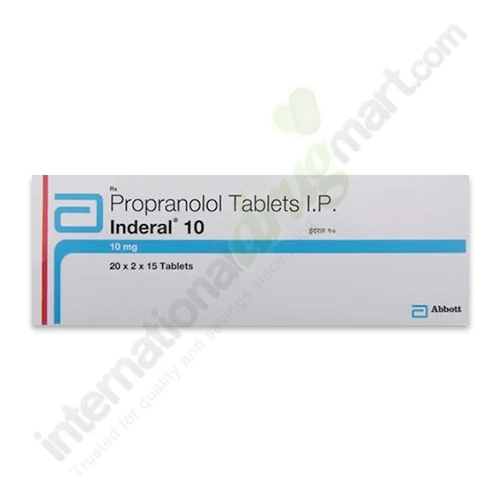
Propranolol (brand name Inderal) is perhaps the most famous beta-blocker used for performance anxiety. It is a "non-selective" beta-blocker, which means it works on receptors throughout the entire body. This includes the heart, the lungs, and even the blood vessels, making it very effective at stopping shakes.
Common Uses for Anxiety
- Performance Anxiety: Often used by musicians, students, or public speakers to stay calm.
- Social Phobia: Helps with the blushing and sweating that can happen in social groups.
- Panic Attacks: Can be used as a "rescue" tool to bring down a racing heart quickly.
Benefits of Propranolol
Because it crosses the blood-brain barrier easily, it is very effective at dampening the physical stress response. It works quickly, usually within 30 to 60 minutes, which is perfect for scheduled stressful events. Most people find it does not cause the "foggy" feeling associated with other types of anti-anxiety meds.
Metoprolol for Anxiety: The Targeted Approach
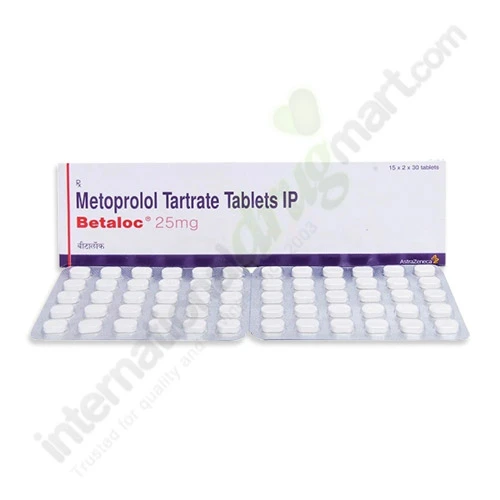
Metoprolol (brand name Lopressor or Toprol XL) is a "selective" beta-blocker. This means it mainly targets the beta-1 receptors found in the heart muscle. It is less likely to affect the lungs, which is an important detail for people with certain breathing issues.
How it Differs
While Metoprolol is excellent for lowering heart rate, it is less commonly used for performance anxiety than Propranolol. It is often chosen when a patient has a pre-existing heart condition and anxiety at the same time. Doctors might suggest it if they want to avoid the "full-body" effects that Propranolol sometimes causes.
Forms of Metoprolol
- Metoprolol Tartrate: A short-acting version that you may need to take twice a day.
- Metoprolol Succinate: An extended-release version that works slowly over 24 hours.
Comparing the Two: Side-by-Side
|
Feature |
Propranolol | Metoprolol |
|
Main Target |
Heart, Lungs, and Blood Vessels | Primarily the Heart |
|
Best For |
Shaky hands and "Stage Fright" |
Racing heart and heart-related anxiety |
|
Time to Work |
30–60 minutes | 1–2 hours |
| Common Anxiety Use | Performance/Social Anxiety |
General heart palpitations |
Symptoms These Meds Can Help With
It is important to remember that beta-blockers do not treat the mental side of anxiety. They won't stop you from worrying about your bills or your job performance. Instead, they focus on the "somatic" or physical symptoms that make anxiety feel worse.
- Palpitations: That "thumping" feeling in your chest that makes you feel like you're in danger.
- Tremors: Shaky hands that make it hard to hold a microphone or a pen.
- Sweating: Cold, clammy hands or forehead sweating during a meeting.
- Hyperventilation: Helping you maintain a steady breathing rhythm by keeping the heart calm.
Dosage and How to Take Them
Your doctor will determine the right dose based on your weight, age, and the severity of your symptoms. For performance anxiety, Propranolol is often taken as a single "as-needed" dose before an event. Metoprolol is more likely to be prescribed as a daily medication to keep your baseline heart rate low. Never try to change your dose or stop taking these medications without talking to a professional. Stopping beta-blockers suddenly can cause a "rebound" effect where your heart rate spikes dangerously. Always take your tablet with a full glass of water, and try to take it at the same time each day.

Safety and Side Effects
Even though these drugs are generally safe, they are not for everyone. Because they slow down your heart, they can lead to some predictable side effects. Most people find these effects are mild and go away as the body gets used to the medicine.
Common Side Effects
- Fatigue: Feeling a bit more tired than usual because your heart isn't "revving up."
- Cold Hands/Feet: Less blood flow to your extremities can make you feel chilly.
- Dizziness: This usually happens if you stand up too quickly after sitting.
- Sleep Changes: Some people report having very vivid dreams or trouble falling asleep.
Who Should Be Careful?
If you have Asthma, Propranolol might not be the best choice as it can tighten the airways. People with a very low natural heart rate (bradycardia) should also avoid these medications. Diabetics need to be careful because beta-blockers can "hide" the symptoms of low blood sugar.
The Importance of Professional Advice
Choosing between Propranolol and Metoprolol isn't something you should do based on a web search alone. Every person's "heart-brain" connection is unique, and your medical history matters. Your doctor will look at your blood pressure, your lung health, and your anxiety triggers.
It is also a good idea to do a "test run" of the medication before a big event. You don't want to find out that a medicine makes you sleepy on the day of a wedding or a job interview. Take your first dose on a quiet day at home to see how your body reacts to the change.
Lifestyle Tips to Support Your Treatment
Medication is a great tool, but it works best when combined with healthy daily habits. Lowering your overall stress level makes the job of a beta-blocker much easier.
Think of the medicine as a safety net, while your lifestyle is the actual ground you stand on.
- Limit Caffeine: Coffee and energy drinks act like "liquid adrenaline" and can fight against your meds.
- Practice Breathing: Learning to breathe from your belly helps tell your brain that you are safe.
- Stay Hydrated: Beta-blockers work better when your blood volume is at a healthy level.
- Regular Sleep: A tired brain is an anxious brain; try to get at least 7 hours of rest.