


Propranolol for anxiety is a beta-blocker that reduces physical symptoms like rapid heartbeat and tremors. It does not treat emotional anxiety directly. Beta blockers – through an off-label mode - are widely used for treating anxieties. These meds inhibit a few brain chemicals –associated with stressful conditions, and help reduce symptoms like sweating, quicker pulse rates, erratic heart beats, palpitations – to name a few. Propranolol is one of the popular drugs under the genre of beta blockers. Knowing how to use propranolol for anxiety can be quite helpful.
What is propranolol?
Propranolol is a beta-blocker medication, used to lessen anxiety symptoms like shaking and perspiration. It treats physical symptoms of anxiety. Your brain produces chemicals like noradrenaline and adrenaline when you are nervous. Propranolol prevents these chemicals’ effects. These chemicals cause sweating, shaking, and a faster heartbeat rate.
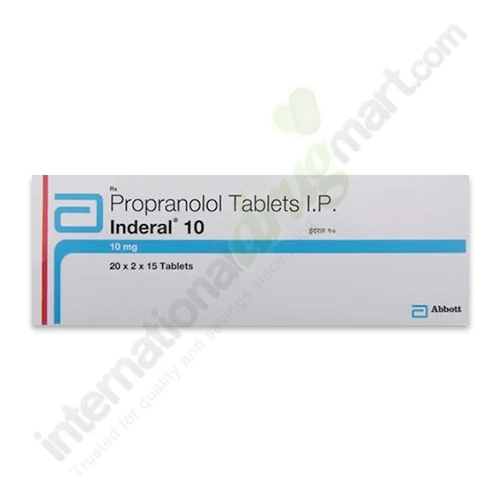
Propranolol lowers your heart rate and helps with better circulation of blood throughout your body. It is used to prevent migraines and treat a few anxiety symptoms.
How does Propranolol work for anxiety?
Your brain makes chemical messengers namely noradrenaline and adrenaline when you are nervous. These cause sweating and shaking; they also raise your heart rate. Propranolol helps in preventing these effects. As a result of this, physical symptoms of anxiety are reduced.
You are advised to use Propranolol as per your caregiving team’s advice. However, those who are using it for long need to monitor blood pressure levels regularly.
What is the maximum dose of propranolol for anxiety?
Propranolol's maximum dosage is determined by the condition you are treated for, your age and other ailments – if any. If 10 mg is not enough to reduce the symptoms of anxiety, Your physician may increase the dose gradually. Propranolol is available as a tablet, capsule, or liquid; dosage strengths range from 10 mg to 160 mg.
Propranolol dose for anxiety
To treat anxiety, each person may need a different dosage strength of Propranolol. A daily dosage of 40 mg may offer short-term relief from anxieties. In certain situations, this dosage can be raised to 40 mg thrice per day.
For anxiety-triggered faster heartbeat, it is recommended to take 3 to 4 doses of 10 mg to 40 mg each day. For a short period, it is however best to use the lowest dosage strength to treat anxiety. Your physician will review the outcomes once every six months.

How quickly does Propranolol work for anxiety?
Propranolol is known for offering relief in a rapid manner. Within a timeframe of 30 minutes, and often as low as 20 minutes’ time, it may help relieve peripheral symptoms including sweating, tension as well as tachycardia. In most cases - within an hour’s time, propranolol may begin relieving anxiety-related symptoms.
This med has a half-life period of ~ 4-hours; Propranolol's side effects will probably go away in 4 hours’ time after a dose. Caveat: propranolol is used for relieving the physical symptoms associated with anxieties. This med is not an over-the-counter offering. It is taken under the guidance and supervision of a qualified doctor. Your caregiver determines the right time of dosing and dosage strength(s) of Propranolol to treat anxiety-related symptoms.
Beware of a few side effects propranolol triggers; these include giddiness, migraines, turning tired and fatigued, mood shifts – including depression, discharge of loose stools and / or vomiting. You are advised to take medical support if you are experiencing slower heartbeats, retention of fluids – marked by swelling of arms and legs.
Propranolol For Migraines, Propranolol is a beta-blocker often used to prevent migraines. It works by reducing blood pressure and calming overactive blood vessels in the brain. Taken daily, it can lower the frequency and severity of migraine attacks. It’s not used to stop a migraine once it starts. Always follow your doctor’s dosage and usage instructions carefully.
Those with respiratory conditions like bronchial asthma or bronchitis, abnormal blood sugars – especially, hypoglycemia, people with a systolic / diastolic level of less than 120 / 88 mm Hg, and those with prior spells of tachycardia must stay away from taking this med.
You are advised to stay aware propranolol only offers a short-term relief from mental conditions like anxieties. In other words, this med is unlikely to treat the underlying cause of stress. Caregivers prescribe it for managing physical signs of anxieties. In order to know more about using propranolol for anxiety, consult with your caregiver.
Is propranolol good for anxiety?
Many times people ask, Is propranolol good for anxiety? The answer is yes-with a few caveats. While it does not resolve anxiety at its core, it temporarily counteracts physical symptoms people commonly experience during emotionally demanding moments. For example, if you cry before a public performance or if your heart races and pounds in stressful moments, propranolol will calm such physical manifestations. With this, musicians, athletes, and public speakers may self-medicate with propranolol before a big occasion. It lessens physical symptoms that feel such an intense surge that our bodies cannot function normally. Still, this medicine is just a cog in the anxiety care wheel, with talking about it to your doctor and seeking therapy being dos and should also be the recommended option.
When to take propranolol for anxiety
Knowing when to take propranolol for anxiety is very important. Most people take it about 30 to 60 minutes before the event that makes them nervous. For instance, your doctor may recommend that you take a small dose before giving a speech in class or before going for a job interview. At this time, the medication will work to calm your heart rate, reduce sweating, and give you a feeling of steadiness. For people with ongoing anxiety, some doctors may suggest doses given daily, but this depends on the situation. One should never begin or change anything relating to its timing without permission.
Long-term use or short-term use?
Usually, propranolol is better for short-term anxiety-for instance, stage fright or exam stress. On the other hand, long-term anxiety usually requires psychotherapy and other medicines. However, propranolol could be used, and if it is for a long time, the doctor will keep an eye out on the side effects. Some people become very dizzy, tired, or have a little blue feeling after months of using it. Therefore, the drug is often reviewed every few months.
Who shouldn't have propranolol?
Not everyone can safely use propranolol. Persons with asthma, very low blood pressure, or slow heart rates must never even think about using it. It will also mask the symptoms of hypoglycemia; hence, persons with diabetes have to exercise extreme caution. Always tell your doctor about your complete medical history before taking propranolol.
Other benefits of propranolol
In addition to anxiety, propranolol is activated against many health problems. It is also used to prevent migraines, manage high blood pressure, and provide heart protection following a heart attack. Some individuals receive the double benefit of lessening anxiety and headaches alike.
Safety and monitoring
Doctors recommend checking blood pressure and heart rate readings often, just to be on the safe side. If the pulse is too low and fainting occurs, one should report this immediately to the doctor. Also, never discontinue propranolol on your own without informing your doctor. Doing so can cause angina or serious cardiac complications. Discontinuing propranolol must always be done under medical supervision.
The final word
That said--is propranolol good for anxiety? Propranolol can indeed be helpful for managing physical signs of stress-a trembling hand, sweating, and rapid heartbeat. And when to take propranolol for anxiety depends on the situation-this can sometimes be just before an event triggering anxiety or on a regular daily schedule, as advised. Still, what is paramount to keep in mind-the effectiveness of propranolol is limited to treating the body's response to anxiety, whereas the anxiety itself still needs to be treated through lifestyle changes, therapy, or other forms of treatment.
Disclaimer
Information provided here are only of supplementary nature. Information shared here does not substitute a qualified doctor’s advice. This website is not suggesting intake of this drug as safe or appropriate. Hence it is advised to talk to your doctor before consuming this med or any other drug.