


Androgens are hormones which enable male-centric attributes among vertebrate mammals including humans. Testosterone is one of the primary forms of androgen and also a male sex-hormone. It helps develop prostatic and testicular tissues – both pertain to reproduction system of men. Testosterone also renders other characteristics specific to males – these include building of muscles, bones, body hair and added levels of libido. Testosterone plays a key role in emotional well-being and moods; also helps prevent damage of bones. But can you use peptides for testosterone?
Testosterone is essentially a steroidal hormone; it is made off your cholesterol. It is your liver which converts it into metabolites of the inactive genre. In males, testicles make this hormone and in women's bodies, ovaries make it. However, production of testosterone in males is higher than in females.
Levels of testosterone tend to reduce as males become old. Needful amount of testosterone is prerequisite for development of sperm cells. Deficiency of this hormone leads to the risks of cardiovascular disorders and can also influence the rate of metabolism.
As a medication, testosterone is used for treating a few kinds of breast cancers and to treat conditions like gender dysphoria and male hypogonadism. Of these, male hypogonadism is a condition wherein your body makes reduced levels of sex hormones. In case of gender dysphoria, an individual may witness a mismatch between their own sense of gender and gender-assigned at-birth.
What are peptides?
Peptides are chiefly shorter chains of amino-acids. Each peptide may have anywhere between 3 to > 95 chains in them. Peptides help in cell-level messaging, ensure endocrinal well-being as well as how your immune cells’ responses are modulated. A few of them also have profound benefits relating to development of muscular tone and slowing down your aging-process.
Based on how big these chains are, peptides are labelled either as oligopeptides or polypeptides. The former constitutes less than 15 amino-acid chains while latter has fairly longer chains of amino-acids.
Peptides for testosterone
Peptides are known to boost sex hormones like testosterone. There are a few types of peptides used to this effect namely growth hormone releasing hormones – GHRH, growth hormone releasing peptides – GHRP – mainly, GHRP 6 and GHRP 2. There are also peptides Melanotan – II as well as Ipamorelin; these are also used for boosting T levels.
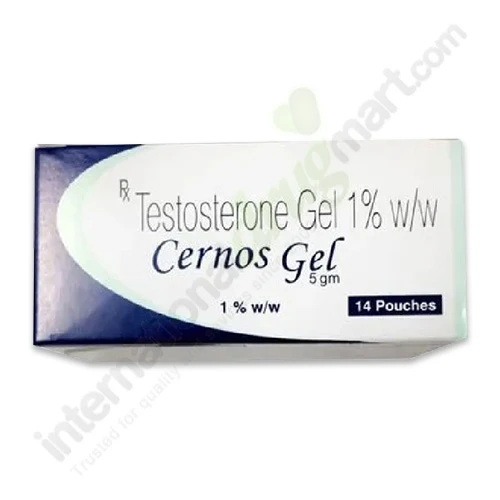
Peptides have capabilities to enhance the functioning of pituitary-gland. This activity boosts FSH and LH levels. Studies reveal these eventually can trigger increased synthesis of testosterone.
Among the various options available among peptides, your caregiving team will look at stability and bioavailability. These two are vital parameters; these determine how effective peptides are in your system. For example, CJC – 1295 works for a fairly long time as compared to other peptides. Also, this peptide remains stable without getting disintegrated.
Another peptide called Sermorelin is tolerated quite well, and is widely considered as a safer bet to men needing a testosterone boost.

You also need to know how peptides work to boost T levels. This is done by boosting growth hormone i.e., GH and insulin-like growth factor – in short, IGF - 1. Peptides work at a molecular level and helps your system to release GH from pituitary. This is the starting point, which soon activates your liver to make more insulin-like growth factor.
Is 1 ml of testosterone a week enough, Whether 1 mL of testosterone a week is enough depends on the concentration of the solution (e.g., 100 mg/mL or 200 mg/mL) and your individual medical needs. For many, 1 mL of 200 mg/mL testosterone equals 200 mg weekly, which is a common dose in testosterone replacement therapy. However, only a healthcare provider can determine the right dose for you based on your symptoms, hormone levels, and overall health.
These activities help your body to process proteins with ease and also facilitate growth of cells. Above all, your peptides also can regulate anabolism. You must remember that all these actions lead to development of muscles as well as overall well-being.
Beware of a few adverse side effects peptides may trigger; these include skin conditions like acne, an imbalance in hormone levels and heart conditions. It is hence essential to talk to a qualified healthcare provider prior to taking peptides as part of your daily lifestyle. Your doctor may monitor your hormonal wellbeing on a regular basis; dosage plans are altered to suit changes seen in your endocrinal system.
Disclaimer
Information provided here are only of supplementary nature. Information shared here does not substitute a qualified doctor’s advice. This website is not suggesting intake of this drug as safe or appropriate. Hence it is advised to talk to your doctor before consuming this med or any other drug.