


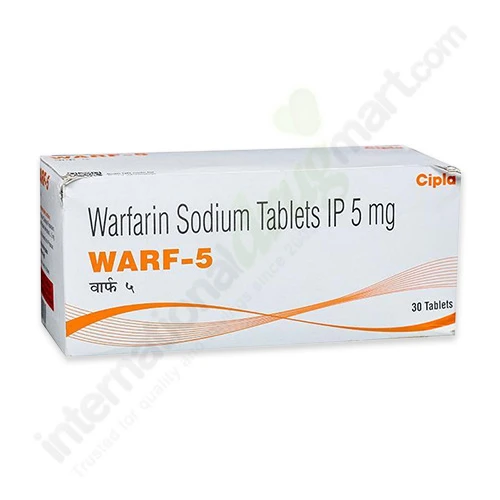
Warfarin medicine is a common blood thinner that helps in overcoming condition of blood clots. The medicine does the by slowing the body’s ability to form clots that helps in lowering the risk of stroke, deep vein thrombosis (DVT), and pulmonary embolism. As of how it shall work, what one shall eat can all affect as to how well warfarin might function for you. Know a list of foods to avoid while taking warfarin for better results.
This is why doctors might usually remind patients to watch their diet closely on using warfarin medicine. It does not mean you must avoid every food on this list forever. But you do need to stay consistent and know what can interfere with the medication.
Below is a complete guide to the foods and drinks one must limit or avoid on taking warfarin and why will that matter.
Why Food Interacts With Warfarin
Warfarin medicine is known to work by blocking vitamin K. This shall help in clotting the blood. When one suddenly eat a lot of vitamin K, warfarin will not work as well. On the other hand, when you eat too little, warfarin might be too strong.
Both situations can be risky while too much clotting shall raise the chance of a stroke or clot. Too little clotting like condition can lead to condition like bleeding, bruising, or internal bleeding.
The healthcare provider checks your INR (International Normalized Ratio) to ensure the blood stay within a safe range. There are large changes in diet, especially with the vitamin-K-rich foods which can shift INR and interfere with treatment.
Foods to Avoid or Limit While Taking Warfarin
-
High Vitamin K Leafy Greens
Leafy greens are known to be the top food group known for affecting warfarin effects. They are quite healthy, but they have a high amount of vitamin K.
Common high-vitamin-K greens include:
- Spinach
- Kale
- Swiss chard
- Collard greens
- Mustard greens
- Turnip greens
Such greens can quickly lower the effectiveness of warfarin. This does not mean one can never eat them as it is the key is consistency. When you might normally eat greens a few times a week, you need to keep that habit steady.
-
Cruciferous Vegetables
Some of the vegetables might have moderate to high vitamin K. Eating them in large amounts can interfere with your INR.
Examples include:
- Broccoli
- Brussels sprouts
- Cabbage
- Cauliflower
Normal serving is usually fine. Problems occur when using some of the enhanced things, like eating large salads or drinking those raw veggie smoothies.
-
Green Tea
Green tea might usually have vitamin K as drinking it regularly can further weaken the effect of warfarin. Your INR shall notably drop while drinking several cups each day.
If you enjoy tea, herbal teas without vitamin K can feel safer. Still, always one shall check labels as they have added herbs which might also interact with warfarin.
-
Alcohol
Alcohol can enhance the risk of bleeding while using warfarin. Heavy drinking is especially unsafe as it shall affect how the liver processes medications.
If you drink alcohol:
- Keep the use notably moderate
- Do not binge drink at all
- Avoid daily use of it unless approved by the doctor
Even small alterations in drinking habits can lead to INR swings, so consistency matters here as well.
-
Cranberry Juice and Cranberries
Cranberries can enhance warfarin levels, which helps in making the blood thin. While small amounts, including occasional cranberry sauce, are usually safe, cranberry juice and supplements which shall be likely to cause problems.
If you regularly drink cranberry products, inform the doctor to make sure your INR stays stable.
-
Grapefruit and Grapefruit Juice
Grapefruit can slow down the breakdown of numerous medications, which shall include warfarin. When it might build up in the body, the risk of bleeding enhances.
Limit or avoid grapefruit and grapefruit juice unless the doctor says it is safe.
-
Certain Oils and Herbs
Some might be using cooking oils and herbs having vitamin K or active compounds. This can all include interfering with blood thinners. Oils high in vitamin K is mentioned below:
- Soybean oil
- Canola oil
Herbs and supplements which shall affect warfarin are mentioned below:
- St. John’s wort
- Ginseng
- Green tea extract
- Alfalfa
- Coenzyme Q10
Such supplements might further thin or thicken the blood depending on how it shall act in the body. As some of the supplements are strong and it might not always regulate, but you are to inform the doctor if you take any.
-
Liver and Organ Meats
Liver is naturally high in vitamin K as animals store vitamin K in their liver. Eating liver regularly can lower warfarin’s effect. Do not eat large servings of:
- Beef liver
- Chicken liver
- Any organ meats
Occasional small portions might be quite well okay, but consistency is highly needed.
-
High-Vitamin-K Fruits
Some fruits shall have more vitamin K than others. While they are not as high as leafy greens, eating them in large amounts can still affect the INR.
Examples shall include:
- Kiwi
- Avocado
- Blackberries
- Blueberries
You do not need to avoid any of these fruits completely. Just so as to avoid some sudden enhancements in the portions.
-
Soy Products
Soy foods shall contain vitamin K and this can also interact with how the warfarin is processed. Such examples include tofu, soy milk, edamame, and soy protein shakes.
Eating some of these foods occasionally is generally fine, but daily high use can simply interfere with warfarin’s effectiveness.

Foods That Thin the Blood Too Much
Some foods do not affect vitamin K but can enhance the risk of bleeding. Some of these are natural blood thinners. When used with warfarin, the effects shall be strong.
Foods to watch include:
- Garlic (especially raw or supplements)
- Ginger
- Turmeric
- Cinnamon
- Fish oil
- Omega-3 supplements
Using such ingredients in cooking is safe, but medicinal or supplement-level doses dosage can be risky.
Why Consistency Matters More Than Avoidance
The most important rule while taking warfarin is about keeping your diet consistent. This means eating similar amounts of vitamin K foods each week.
If you decide to enhance or lower any food in the diet, especially vitamin-K-rich foods, inform the doctor accordingly. They may need to adjust your dose or monitor your INR more closely and know a list of foods to avoid while taking warfarin.
Sample Safe Eating Tips While Taking Warfarin
Below mentioned are some of the simple habits which can help in keeping levels steady:
- Eat a balanced diet with some of the regular portions of vegetables.
- Never switch suddenly from low-vitamin-K to high-vitamin-K meals.
- Do not use any sort of large servings of raw greens including salads or smoothies unless this is the daily routine.
- Limit use of alcohol for occasional small amounts of usage.
- Make sure to check labels on supplements, shakes, and herbal teas.
- Keep a food log if the INR is usually altered.
These steps shall all make it easy to control your INR and reduce the risk of problems.
You do not need to fear food using warfarin medicine. The goal is just not to remove every vitamin-K-rich food from the plate. But it will help keep the intake steady. Understanding what foods shall affect medication and it can help in managing warfarin safely.
When the diet might stay consistent, your INR stays stable, and the treatment shall work the way it should. Always work closely with the doctor or pharmacist while planning major diet alterations. With the right knowledge and habits, one can enjoy a healthy diet while staying safe on warfarin.