


Ivermectin a broad spectrum antiparasitic agent – is in use for decades. This med was originally developed for veterinary applications before administering it for human use. It has proven highly effective in treating a range of parasitic infections in humans as well. In dermatological care, topical Ivermectin formulations serve specific purposes—lotions are applied to eliminate head lice, while creams are prescribed to reduce inflammatory skin symptoms linked to rosacea. It helps to know of ivermectin dosage chart for humans.
Ivermectin is also used in mass drug administration programs to control diseases like onchocerciasis (river blindness) and lymphatic filariasis. In recent years, the drug has gained attention for its off-label uses. These include treating skin conditions like rosacea and even as a proposed treatment for viral infections—most notably during the COVID-19 pandemic. However, such uses remain controversial and are not officially recommended by major health organizations.
Ivermectin belongs to a Ivermectin family, which are naturally produced by a soil-dwelling bacterium known as Streptomyces avermitilis. This drug exerts its effect by impairing neural and muscular signaling in parasitic organisms. It binds to specific proteins called glutamate-gated chloride channels, which are present in the nerve and muscle cells of many invertebrates, such as worms and mites.
This binding increases the flow of chloride ions into the cells, which leads to hyperpolarization of the cell membranes. Consequently, the parasites become paralyzed and succumb over time.
The reason Ivermectin is considered safe for humans is because our bodies do not have these specific glutamate-gated chloride channels. Moreover, at standard doses, the drug has limited ability to cross the blood-brain barrier. As a result, it can effectively eliminate parasites without causing harm to the human nervous system.
Ivermectin dosage chart for humans by weight:
| Weight (kg) | Dose (mg) | 3 mg Tablets | 6 mg Tablets | 12 mg Tablets |
|---|---|---|---|---|
| 40 kg | 8 mg | 2–3 tabs | 1 + ½ tab | — |
| 50 kg | 10 mg | 3–4 tabs | 1 + ½–1 tab | — |
| 60 kg | 12 mg | 4 tabs | 2 tabs | 1 tab |
| 70 kg | 14 mg | 4–5 tabs | 2 + ½ tab | 1 + ½ tab |
| 80 kg | 16 mg | 5–6 tabs | 2–3 tabs | 1 + ½ tab |
| 90 kg | 18 mg | 6 tabs | 3 tabs | 1 + ½ tab |
| 100 kg | 20 mg | 6–7 tabs | 3 + ½ tab | 1 + ½–2 tabs |
Ivermectin is generally prescribed based on the patient’s body weight, measured in kilograms. For most parasitic infections, the standard dosage ranges between 150 to 200 micrograms per kilogram (mcg/kg).
The medication is taken as a single oral dose, though additional doses may be necessary in certain conditions depending on the severity of the infection. To ensure maximum absorption, Ivermectin should be taken on an empty stomach, ideally one hour before or two hours after a meal, accompanied by a full glass of water. When dosed at 200 mcg/kg, the total milligram dosage and approximate number of 3 mg tablets can be estimated based on body weight.
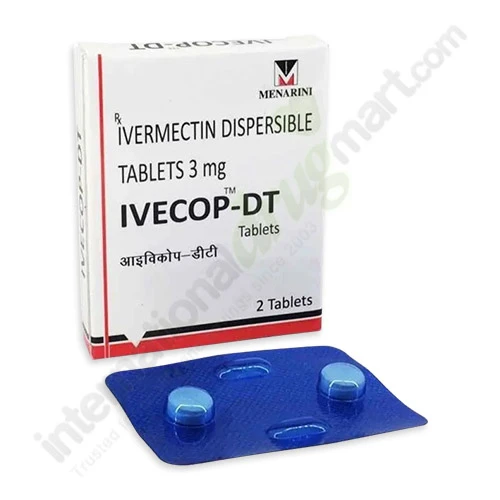
For example, a person weighing 40 kg would require around 8 mg, which translates to 2 to 3 tablets. Someone who weighs 50 kg would need 10 mg, or about 3 to 4 tablets. A 60 kg individual would be prescribed 12 mg, equating to 4 tablets, while someone weighing 70 kg would need 14 mg, or approximately 5 tablets.
For those who weigh 80 kg, the dose would be around 16 mg, requiring 5 to 6 tablets. At 90 kg, the dose increases to 18 mg, or about 6 tablets, and a 100 kg patient would be prescribed 20 mg, which corresponds to roughly 6 to 7 tablets. In clinical practice, the dose may be rounded for convenience, but exact dosing should always follow a healthcare provider’s instructions.
Dosage by specific conditions
Ivermectin is prescribed to treat various parasitic infections, each with its own specific dosing and treatment frequency. For strongyloidiasis, the recommended dose is 200 micrograms per kilogram (mcg/kg) taken orally as a single dose, which may be repeated after two weeks if needed.
In case of onchocerciasis, also known as river blindness, the standard dosage is 150 mcg/kg orally, administered once every 6 to 12 months for ongoing disease control.
For skin infestations like ivermectin for scabies, a single oral dose of 200 mcg/kg is generally used, with a repeat dose after 7 to 14 days to ensure complete eradication of the mites. Similarly, lice infestations, including head and body lice, are treated with 200 to 400 mcg/kg orally in one dose, and a second dose is often given after 7 days if the problem persists.
In endemic areas, filariasis is treated with 150 to 200 mcg/kg orally, usually on an annual basis, or as advised by public health authorities. For rosacea, an off-label use of Ivermectin, a low-dose oral regimen of 1 mg per day or a topical formulation may be prescribed. The treatment is continued daily and should be managed by a dermatologist.
Side effects of Ivermectin
Side effects can range from mild to serious and often depend on factors such as the amount of medication taken, and the individual’s health status.
Frequent side effects can include nausea, diarrhea, stomach discomfort, dizziness, drowsiness, or mild skin issues like rash or itching. These effects are usually short term and often resolve on their own without the need for treatment.

However, in less common cases, more serious side effects may occur. These can include swollen lymph nodes, fever, low blood pressure, joint or muscle pain, and visual disturbances. In rare instances, some individuals have also experienced seizures.
Clinical symptoms like yellowing of the skin or eyes, and dark-colored urine—may indicate liver injury and require immediate medical evaluation. If a person experiences symptoms of a severe allergic reaction, such as difficulty breathing, swelling of the face, lips, or throat, or sudden confusion, they should seek immediate medical help, as these could be life-threatening.
Ivermectin safety guidelines
In order to use Ivermectin effectively, certain precautions should be followed. It is best to take the medication on an empty stomach, as food can reduce how well the body absorbs it. Drinking alcohol during treatment is not advised, because it can increase the chances of side effects like nausea, dizziness, and tiredness. If Ivermectin is used for a long time or in higher doses, liver function should be monitored through regular tests, since the drug may affect liver enzymes.
Pregnant women should avoid using Ivermectin unless clearly needed and approved by a doctor. Additionally, monitoring for possible drug interactions is equally essential. Ivermectin might not work as expected and could cause unwanted side effects when taken with blood thinners, sedatives, or other antiparasitic drugs.
The right dose of Ivermectin depends mainly on a person's body weight and the specific condition being treated. While general dosage charts can offer useful estimates, the exact dose and timing should always be decided by a qualified healthcare provider. Ivermectin is not free from risks. It should never be used without a valid prescription and clear medical guidance.
Using the drug improperly—such as taking veterinary versions or self-medicating—can result in serious health issues. When taken correctly under medical supervision, Ivermectin remains a valuable drug in global healthcare.
If this medication was prescribed to you by your physician, Click here to Buy Ivermectin tablets online with 30% discount offer from internationaldrugmart.
Disclaimer
Information provided here are only of supplementary nature. Information shared here does not substitute a qualified doctor’s advice. This website is not suggesting intake of this drug as safe or appropriate. Hence it is advised to talk to your doctor before consuming this med or any other drug.