


Muscle spasms can be incredibly painful. They often strike without warning, leaving you feeling stiff and unable to move. When heating pads and stretching aren't enough, doctors often look toward muscle relaxants for help.
Two of the most common names you will hear are Tizanidine and Flexeril. If you are hurting, you probably want to know which one is "stronger." The truth is that they work differently, and the "best" one depends on your specific type of pain.
What is Flexeril?
Flexeril is the brand name for a drug called Cyclobenzaprine. It is one of the most widely used muscle relaxants on the market today. Doctors usually prescribe it for short-term relief of muscle spasms caused by sudden injuries.
It works by blocking pain sensations or nerve impulses that are sent to your brain. It is very similar to older types of antidepressants in how it is built. This is why one of its most famous effects is making people feel very sleepy.
What is Tizanidine?
Tizanidine, often sold under the name Zanaflex, belongs to a different class of drugs. It is known as an alpha-2 adrenergic agonist. This sounds complicated, but it basically means it shuts down the signals that tell muscles to tighten up.
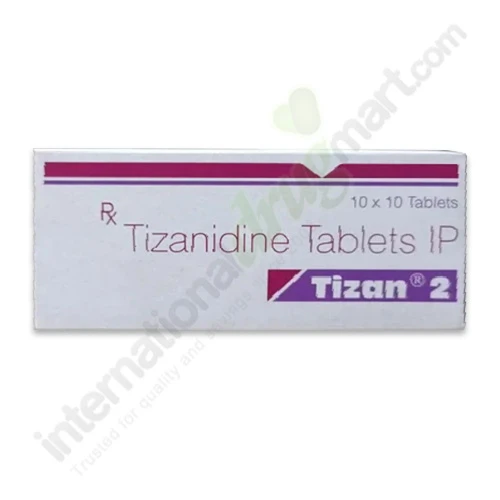
Doctors often use Tizanidine for "spasticity." This is a type of muscle stiffness found in long-term conditions like Multiple Sclerosis or spinal cord injuries. It focuses more on the nerves in the spinal cord than the brain itself.
Comparing Strength: Head to Head
When people ask if Tizanidine is stronger than Flexeril, they are usually asking which one will knock out the pain faster. In terms of chemical "potency," Tizanidine is often considered more powerful. It is used for much more intense, chronic muscle issues.
However, "stronger" does not always mean "better." A sledgehammer is stronger than a regular hammer, but you wouldn't use it to hang a small picture frame. Flexeril is often plenty strong for a pulled back muscle from lifting a heavy box.
How Flexeril Feels
Most people who take Flexeril notice the sedation first. It is very common to feel "foggy" or extremely drowsy about 30 to 60 minutes after taking it. This is why many doctors suggest taking it only at night before bed.
It is great for breaking the cycle of pain and lack of sleep. If your muscles can finally relax while you sleep, your body can begin the healing process. However, it can be hard to use during the workday because of that heavy "weighted" feeling.
How Tizanidine Feels
Tizanidine has a very short "half-life." This means it enters your system quickly but also leaves quickly. It starts working fast to stop spasms, which is helpful if you have a sudden "clench" in your muscles that won't let go.
The effects usually peak within one to two hours. Because it wears off fast, some people have to take it multiple times a day. It also causes sleepiness, but the feeling doesn't usually last as long as the drowsiness from Flexeril.

Which One Lasts Longer?
Flexeril stays in your body for a long time. Even a small dose can stay in your system for a full day. This is good for "all-day" relief, but bad if you need to drive or operate machinery the next morning.
Tizanidine is much more "in and out." It is better for targeting specific times of day when your spasms are at their worst. For example, some people take it only when they know they need to do physical therapy or housework.
Managing Chronic vs Acute Pain
Acute pain is sudden and short-lived, like a sports injury. Flexeril is the "go-to" for this because it helps the body rest during the initial week of healing. It is usually only meant to be used for two or three weeks total.
Chronic pain is long-term. If you have a condition that causes your muscles to stay tight for months, Tizanidine is often a better fit. It can be managed over a longer period, though your doctor will check your liver health regularly.
Can You Take Them Together?
The short answer is: you really shouldn't. Taking two different muscle relaxants at the same time is dangerous. It can slow your breathing down to a scary level and make you dangerously confused.
Always stick to the one your doctor prescribed. If you feel like your current medicine isn't working, talk to them about switching. Never "double up" on your own, even if the pain is very high.
Making the Choice
In the end, Tizanidine might be "stronger" for nerve-related stiffness, but Flexeril is often "better" for a standard muscle pull. Your doctor will look at your heart health, your age, and your daily schedule before deciding.
Both drugs are effective tools for getting your life back. By understanding how they work, you can use them safely and get back to moving without pain. Always follow the label and stay in touch with your healthcare provider during your recovery.