


An overgrowth of Candida species leads to the onset of yeast infection(s). It most often affects moist areas such as the mouth, throat, skin folds as well as genital areas. In women, vaginal yeast infection is a frequently-encountered condition; it can lead to symptoms like itching, burning, swelling, and thick / white-colored discharge. But can you use fluconazole 150 mg dosage for yeast infection? It pays to have more inputs.
Factors like antibiotic use, hormonal changes, weakened immunity, and poor hygiene can overgrowth or fungi / yeast. Yeast infections are treated with antifungal medications like Fluconazole.
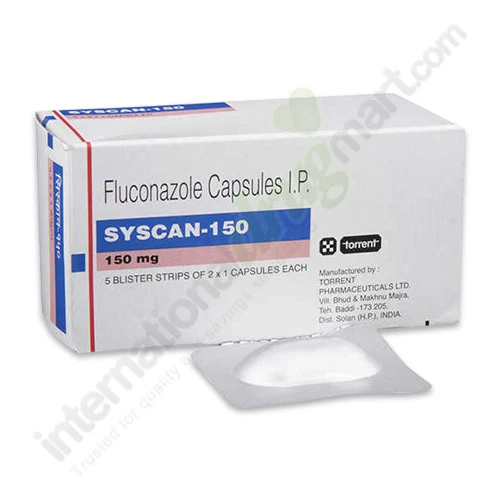
Fluconazole – an antifungal medication – is used to fight growth of fungi. This med treats several conditions caused by a fungus called Candida. For instance, if someone has a vaginal yeast infection, oral thrush, or infections in throat called esophageal candidiasis, Fluconazole can help clear it up.
Fluconazole 150 mg is also used for cryptococcal meningitis and for urinary tract infections. Some side effects of this drug include migraines, being nauseated, pain in abdomen, diarrhea and dizziness. In a few rare instances, this antifungal med may cause liver problems or other serious allergic reactions.
This med is sometimes used as a preventive med to those with weakened immune systems; for instance, those undergoing chemotherapy, living with HIV/AIDS or went through an organ transplant. Fluconazole has a broad antifungal-coverage. This makes it a valuable option in both treatment and prevention of several fungal conditions.
Fluconazole 150 mg dosage for yeast infection
Fluconazole 150 mg – oral antifungal med used to treat vaginal yeast infections caused by Candida albicans. It is available as an oral pill, suspension and as an intravenous form. In order to cure a simple case of fungal growth, a 150 mg oral dose is found effective. This one-time treatment works throughout your body, unlike creams or suppositories which only target a specific area.

After taking 150 mg pill, most people start noticing symptoms of relief i.e., reduced spell of itchiness and irritation. If symptoms stay-on for a week, your doctor may suggest a different dosage plan. In case of people witnessing frequent spells of infections (4 or more times per year), doctors recommend a series of three doses of 150 mg taken every 72 hours (on day-1, 4 and 7). For ongoing prevention, some may administer a weekly dose - for up to 6 months.
Fluconazole though is well-tolerated is taken with care; especially for those with liver problems, during pregnancy, or if you are taking other drugs.
Suggested Fluconazole dosage for various fungal infections
Fluconazole dosage varies depending on the type and severity of the fungal infection. A 150 mg dose of Fluconazole is advised for vaginal yeast infections. In cases of recurrent infections, doctors may recommend 150 mg once every 72 hours for 2 to 3 doses.
When it comes to treating oral thrush, treatment starts with 200 mg on the first day, followed by 100 mg once daily - for at least 2 weeks. In more serious cases - like systemic candidiasis - dosage begins with 400 mg on day-1, and continued with 200-400 mg daily for several weeks.
For immunity-compromised individuals, Fluconazole is prescribed at 200-400 mg once daily as a preventive measure.
How Fluconazole works to treat yeast infection?
In order to treat yeast infections, Fluconazole targets the fungal cell membrane, which is vital for fungus’ existence. It belongs to a class of antifungal drugs called triazoles, and it works by inhibiting an enzyme called lanosterol 14α-demethylase. This enzyme produces ergosterol, a key structural component of fungal cells.
Without enough ergosterol, fungal cells turn weak and are unable to maintain their structure. As a result, holes form on their membranes, allowing essential contents to leak out and leading to cellular death. This action eliminates Candida species - responsible for yeast infections.
Unlike topical treatments which act locally, Fluconazole provides longer-lasting protection with a single dose. Its mechanism ensures fungi are not suppressed but are destroyed.
Clinical studies show a single oral dose of 150 mg is sufficient to eliminate Candida albicans. This dosage provides enough potency to inhibit fungal growth while minimizing the risk of side effects. In case of patients with mild to moderate symptoms, one 150 mg capsule can relieve symptoms in 1 to 3 days. This med is administered for both first-time infections and occasional flare-ups.
What are the dos and don’ts after taking Fluconazole 150mg?
After taking a Fluconazole 150 mg capsule for yeast infection, following a few important do’s and don’ts can help prevent complications.
Dos:
- Track improvements and note any side effects. Consume plenty of water. Keeping yourself hydrated can aid in the elimination of medication
- Maintain good personal hygiene by gently cleansing the vaginal area with mild unscented soap and water
- Wearing cotton-based underwear and loose-fitting clothes can allow needful airflow, and this creates an environment less favorable for yeast to grow
- It is important to keep the vaginal area dry after bathing or using the restroom
Don’ts:
- Be cautious when using tampons; stay off from unprotected sex during recovery as it can cause irritation or worsen the infection
- There are no strict guidelines for alcohol consumption with Fluconazole, but limiting alcohol intake is a recommendation to reduce strain on liver function
- Most importantly, do not self-medicate repeatedly without medical advice; especially if you are down with frequent infections, as these may be due to a serious health condition
In some cases, a second dose of Fluconazole or a different treatment plan is needed to find relief from yeast infections or to rule-out other likely causes. However, adhering to the above dos and don’ts helps your body recover fully, and to prevent recurrence of infections.
Fluconazole is as one of the effective meds used for yeast infections, especially vaginal candidiasis. This single-dose oral treatment works systemically, targeting the infection throughout your body rather than an affected site. Recurrent or severe cases may however require additional doses or a prolonged treatment plan. In essence, maintaining proper hygiene and following preventive measures can lower risks of new infections.
can you consume alcohol while taking a dose of fluconazole?
You may wonder, can you consume alcohol while taking a dose of fluconazole? Fluconazole is an antifungal medication commonly prescribed for yeast infections. While moderate alcohol consumption is not known to directly interact with fluconazole, combining the two may increase your risk of side effects like stomach upset, dizziness, or liver strain. Since fluconazole itself can affect the liver, drinking alcohol at the same time can place extra stress on it. For safety, it’s generally best to avoid alcohol until your treatment is complete. Always consult your healthcare provider for personalized advice before mixing alcohol with fluconazole.
Disclaimer
Information provided here are only of supplementary nature. Information shared here does not substitute a qualified doctor’s advice. This website is not suggesting intake of this drug as safe or appropriate. Hence it is advised to talk to your doctor before consuming this med or any other drug.