


Triamcinolone acetonide cream is an anti-allergic agent for treating skin infections. This is mostly used as an anti-inflammatory med. It has the needful approval from FDA for such purposes. There are different formulations of Triamcinolone acetonide as well. Triamcinolone acetonide cream works to minimise redness of skin, itchiness, and inflammation. Triamcinolone acetonide cream is safe for both adults and children. But does triamcinolone acetonide cream lighten skin?
Triamcinolone acetonide is used for treating eczema as well as a few other conditions like psoriasis, both allergic and non-allergic dermatitis, etc. Physicians prescribe Triamcinolone acetonide topical cream or ointment to treat skin-based allergic reactions. In some cases, caregiving teams use it for inflammation of joints; but an injectable solution is used in such instances.
In general, Triamcinolone acetonide is used for several other conditions including - skin inflammation ranging from mild to moderate; conditions involving larger skin-surfaces and / or hairy areas; conditions wherein gels are more suitable for treatment – especially scalp-based issues and related conditions; medication plans focused at improving scalp conditions like seborrheic dermatitis; oral paste / gel form of Triamcinolone acetonide is effective for treating oral sores and inflammation; swollen muscles and / or joints – chiefly, for such localised treatment plans.
Beware: Overuse of this med may cause a medical condition known as hypopigmentation - skin lightening. This is a side effect – mainly when you use it for a prolonged span of time.
Topical creams, oral pills, etc., are other forms of Triamcinolone acetonide. Based on tour condition and your treatment need – a form of Triamcinolone acetonide best suited is administered. In this light, it helps to know Triamcinolone acetonide is also available as a vaccine.
Does triamcinolone acetonide cream lighten skin?
Yes. Lightening of skin is one of the side-effects the usage of triamcinolone acetonide cream triggers. Triamcinolone acetonide - being a corticosteroid med - inhibits the actions of melanocytes. It is helpful to know melanocytes are cells producing melanin; this inhibition can lead to suppression of melanin production.
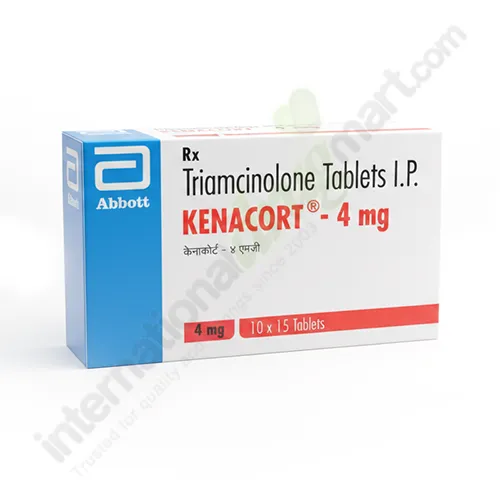
Melanin is an agent responsible for pigmentation (color or tone) of your skin. Therefore, odds are high for skin lightening or a lighter skin tone; these changes occur at the site you are using triamcinolone acetonide cream on. Caveat: use of this cream may result in uneven lightening effects on your skin.
It is an unwise thing to use triamcinolone acetonide cream for skin lightening purposes. This effect is essentially an adverse effect users witness – when they apply it for a prolonged period of time.
If you are concerned about such discoloration Triamcinolone acetonide cream brings about, you need to talk to your skin doctor. Your treating physician will do a proper assessment and prescribe a safer alternative to treat your skin condition.
Does your skin color change with the use of steroid creams – like Triamcinolone acetonide?
Your skin color does not change immediately upon using a steroidal med –such as Triamcinolone acetonide cream. You however need to be aware of the side effects a long-term use can trigger; your skin more likely turns fragile as well as thin. Use of steroids tend to block the normal functioning of cells called melanocytes. As such cells are affected, your body may not make needful amount of coloring agents – i.e., melanin.
This can cause a medical condition called skin atrophy. It is this condition that makes your skin shed some of its natural tone and take a blighted appearance.
Triamcinolone cream – when does it leave your system?
The timeline Triamcinolone acetonide cream takes to leave your system is based on a few factors. Such variables include the type of your skin condition, frequency of use of Triamcinolone acetonide cream and presence of other conditions – if any.
Upon stopping to use Triamcinolone acetonide cream, the residual effects of this med may persist for a few days. This topical drug may however not leave traces in your blood or urine for long; these may be palpable for up to 8 – 10 days’ time. This timeline is not common for all; this varies from one user to another.

Side effects of using Triamcinolone acetonide cream
Triamcinolone acetonide cream may trigger some unwanted side effects only if you apply it more than the recommended number of times i.e., usage instructions of your treating skin doctor. It is safe to apply this cream twice per day. It is unsafe to use it more than four times within 24 hours.
Ensure the cream is applied only on the affected site; applying it in healthy parts of your skin can lead to counterproductive effects. The medicinal effects of this cream - on your skin – are likely to remain all through the day.
Added level of care is needed while dosing and not to overuse. Applying triamcinolone acetonide cream on relatively large areas of skin or for long (than what is recommended) may make your skin to absorb more of this cream. This is likely to cause toxicity, and may develop risks like thinning of your skin, lightening or blighting of skin, formation of stretch marks or scars, resulting in spider veins, etc.
You also need to know of risks of using triamcinolone acetonide cream; your doctor may recommend it when the benefits of this med clearly outweigh risks associated with skin lightening. If you not satisfied with this cream, your doctor may recommend safer alternatives – these include cosmeceuticals, chemical peels and laser treatment.
In sum, you need to stay aware of Triamcinolone acetonide not being an antifungal cream. Instead, Triamcinolone acetonide belongs to a genre of meds called corticosteroids. One of the chief functions of this med is to combat inflammation of skin and itchiness. Use of this cream for treating fungal infections may yield very meager / nil benefits.
When your doctor suspects a fungi-induced condition, you may be prescribed with meds like clotrimazole and nystatin. These two meds are antifungal drugs and can block growth of fungi. But – in some rare cases – treating doctors may prescribe a combinatorial medication plan. Such plans may have triamcinolone acetonide cream and an antifungal drug. Such a combination is used when all other modes of treatment fail to fetch desired remedial outcomes.
Disclaimer
Information provided here are only of supplementary nature. Information shared here does not substitute a qualified doctor’s advice. This website is not suggesting intake of this drug as safe or appropriate. Hence it is advised to talk to your doctor before consuming this med or any other drug.