


Tooth infections are not only painful, but they are risky too when it is spread. When a dentist shall need a stronger medicine or when some of the common antibiotics not suitable to you, Clindamycin for tooth infection is often the antibiotic of choice. This medication works well for those deeper and stubborn dental infections. It is also widely used for some of the patients who might not use penicillin.
Clindamycin medication shall help the body to fight those harmful bacteria by restricting them from growing. As this shall reach those deep tissues, it includes bone and gums; this shall be highly useful for dental infections which can go beyond the surface. Dentists can all rely on it when they wish for a strong and dependable option.
Why Dentists Prescribe Clindamycin for Tooth Infection
A tooth infection might start when the bacteria tend to enter the inner pulp through a cavity, crack, or gum issue. This can lead to condition such as swelling, throbbing pain, and sometimes fever. If the infection shall be severe or might spread into those nearby tissues, Clindamycin is prescribed to control such situations.
Dentists might choose Clindamycin for tooth infection if the patient might have a serious allergy to penicillin or if this was previous antibiotics that might not work. This is also used for infections which shall involve bone or deep gum pockets as this shall penetrate areas well. Many dentists might further consider it as a reliable backup while standard choices for not being suitable.
How Clindamycin Works in the Body
Clindamycin for tooth infection is a type of antibiotic that eventually stops bacteria from multiplying. It further shall give immune system time to fight off the infection and lower conditions such as swelling and pain. When used well, it can further prevent the infection from spreading to the jaw, face, or bloodstream.
The components in the medicine shall travel through bloodstream to the infected tooth and surrounding tissues. Because it can reach bone and gum tissue easily, it might further be helpful to treat infections that are too deep for surface-level treatments alone. This will make it a strong option for dental issues that have some severe issues.
How Long Before Clindamycin Starts Working for Tooth Infection?
Most people can feel improvement within 24 to 48 hours post starting with Clindamycin. The pain shall all be less intense, and swelling starts to go down. The medicine shall continue working over the next several days as the body clears the infection.
Some people might take a little longer to feel relief, that it shall depend on how severe the infection is. If such an infection might already spread to the jaw or face, it can take closer to 72 hours before some of the symptoms will noticeably improve. But normally, one must feel at least some difference within the first two days.
To know about how long before clindamycin starts working for tooth infection, even if you start feeling better quickly. It is important to finish the entire antibiotic course. Stopping too early can lead to the infection returning, and this might make the bacteria harder to treat.
What Improvements You May Notice After Starting Clindamycin
As medicine works, throbbing pain might become manageable.
- Swelling around the cheek or jaw shall slowly lower, and chewing might feel easier.
- There are many people who shall also notice a drop in fever or a reduction in the bad taste which is caused by drainage from the infection.
If the infection was about causing some of the strong pressure inside the tooth or gums, that pressure might be about to easing as inflammation might go down. This can also be about making it easier to sleep, talk, and eat without discomfort. The reduction in soreness is usually known to be a sign about the medication is doing its job.
Common Dosage for Tooth Infections
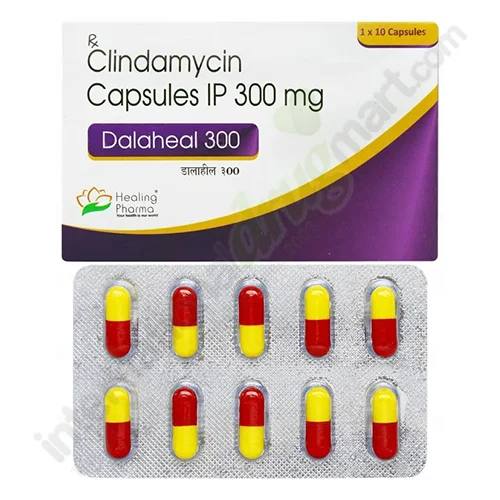
Only a dentist or doctor can decide the exact dose, but the usual dosage for this dental infection is 300 mg every six hours. Knowing how long before clindamycin starts working for tooth infection might be well increased to 450 mg every six hours. The treatment course usually last for approx. 7 to 10 days, which shall also depend on the infection.
Clindamycin for tooth infection works best when consumed at regular intervals. Hence, spacing the doses evenly throughout the day is needed. This shall help the antibiotic level consistent in the bloodstream and can help in fighting the infection more effectively.
How to Take Clindamycin Safely
Clindamycin for tooth infection can be taken with or without food but using it with a small meal can help in lowering nausea conditions. It is best to drink a full glass of water with each dose to avoid irritation in the throat or chest. Staying well upright for those short hours afterward might prevent any sort of discomfort.
If you forget to use a dose, take it as soon as you remember unless it is almost time for the next one. Skipping multiple doses can slow recovery and might let the infection grow again. As with all other antibiotics, never double dosage to make up for those missed ones for safer outcomes.
Side Effects to Be Aware Of
Most of the people tolerate Clindamycin well, but some mild stomach conditions like nausea or diarrhea can occur. Some people might further notice a metallic or bitter taste in the mouth. This will go away after finishing the medicine. Such side effects are temporary.
However, Clindamycin for tooth infection can occasionally lead to severe bowel problems, which includes C. difficile–associated diarrhoea. If you develop persistent or severe diarrhoea, especially with stomach cramps or blood, consult a doctor as soon as possible.
Who Should Be Careful With Clindamycin
- Inform your dentist if you have any history of consistently having severe stomach or intestinal issues before using Clindamycin.
- People with existing liver or kidney conditions might need a dosage adjustment.
- Mention any past strong reactions to antibiotics, especially those in the same family as Clindamycin.
Why Antibiotics Alone Don’t Fix Tooth Infections
While Clindamycin for tooth infection helps in controlling the infection, it does not fix the damaged tooth itself. Most tooth infections can occur because bacteria might reach the pulp through decay, cracks, or deep gum disease. The tooth might need treatment to remove the source of the infection.
Dentists might further recommend a root canal, tooth extraction, or deep gum cleaning, which shall depend on the cause. The antibiotic shall all give the body some time, and this can help in lowering the risk of spread while the dentist performs those needed procedure. Skipping some of the dental treatment can all lead to the infection becoming stronger.
Caring for Yourself While Taking Clindamycin
While you are on some of the antibiotics, simple following of some home care can make recovery quite easy. Rinsing with warm salt water can further soothe swelling, and this can all help in keeping the mouth clean. Choosing some sort of softer foods and avoiding those extreme temperatures can further lower discomfort on chewing.
Good oral hygiene is highly important, but one must brush gently around the infected area. However, if the pain is still strong, over-the-counter pain relievers are highly recommended by those dentists, and this can help in being comfortable until the antibiotic fully kicks in.
How to Know if Clindamycin Is Working
Signs of the medication while helping are mentioned below:
- Less pressure right inside the tooth
- Lowered swelling in the cheek or jaw
- Overall decrease in pain
- Enhanced ability to eat, talk, or open your mouth comfortably
- Fever or chills beginning to lessen
You are to consult the dentist when you do not notice improvement in 72 hours:
- The infection might be quite resistant
- It might be deeper or shall need several drainages
- You might need dental treatment sooner
- Early communication helps prevent complications

When to Seek Emergency Care
A tooth infection can further spread soon, and it shall be quite dangerous if ignored. When you might have issues in breathing or swallowing, or if it shall swell further to spread down the neck or up toward the eyes, seek care as soon as possible. High fever, confusion, or rapidly increasing pain may also mean the infection you hold is spreading.
These symptoms shall all never be ignored as they might further lead to some severe complications. Emergency treatment combines stronger antibiotics and dental procedures while controlling the infection quickly.
Preventing Future Tooth Infections
Most of these tooth infections can further be avoided with good daily habits. The habit of brushing twice a day and flossing well helps in keeping those bacteria from settling in the gums or cavities. Regular dental checkups shall help those small problems to be treated before one shall turn into painful infections.
Limiting sugary snacks and drinks can further lower the risk because those sugar feeds the bacteria that cause decay. Treating some of those cracked or damaged teeth early shall prevent bacteria from entering the inner layers of the tooth, that is where most of the infections shall start.